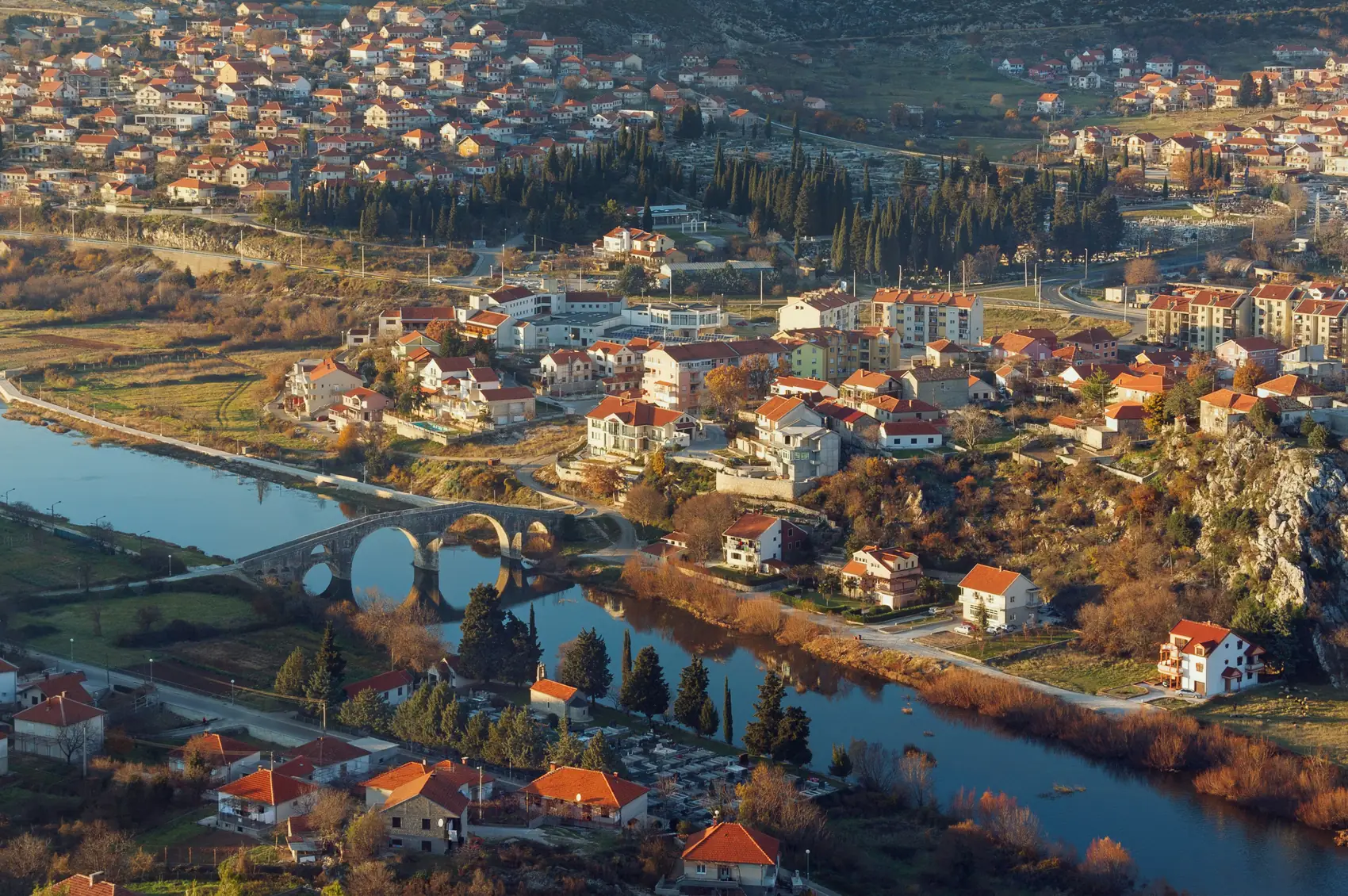
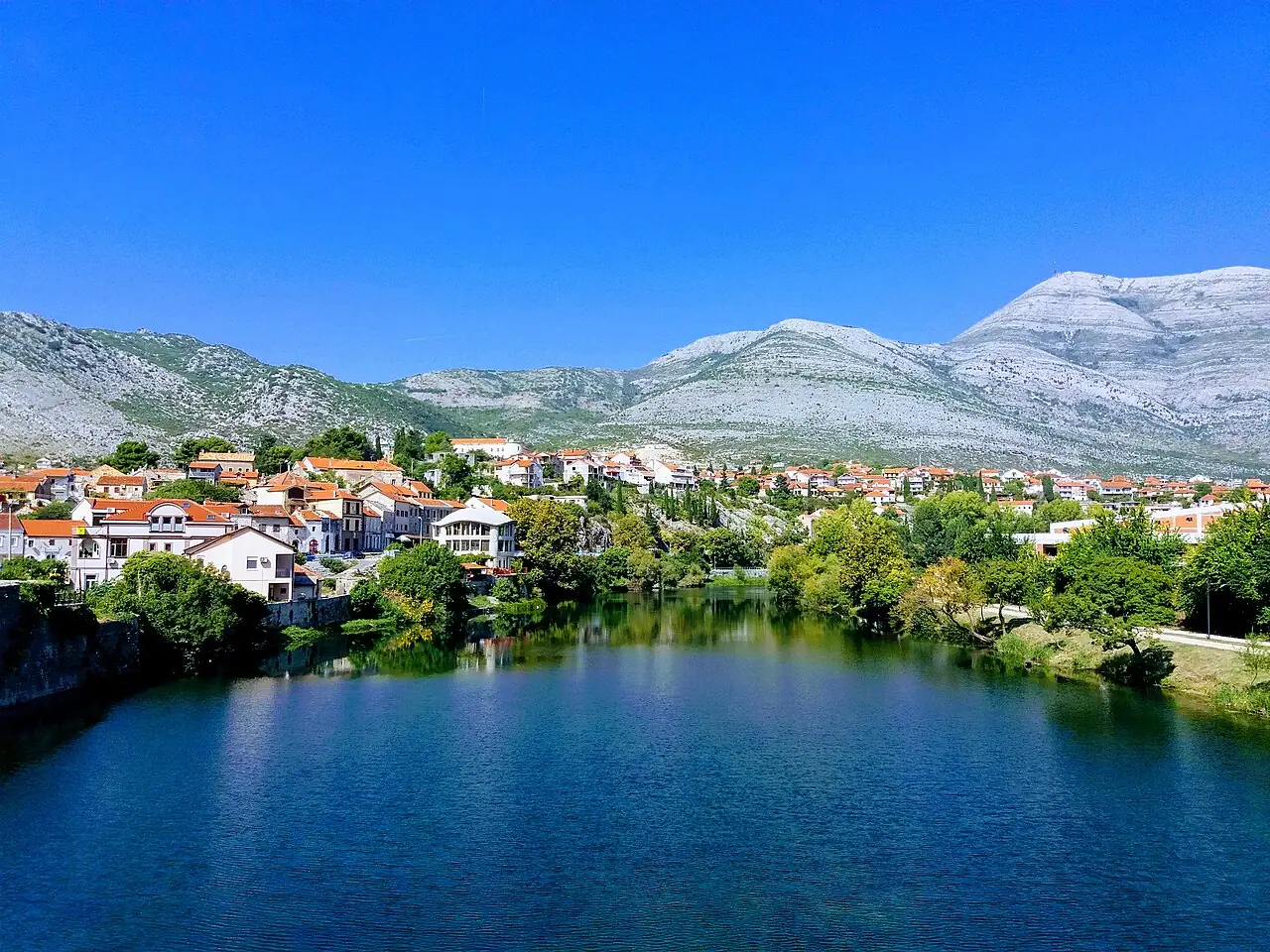
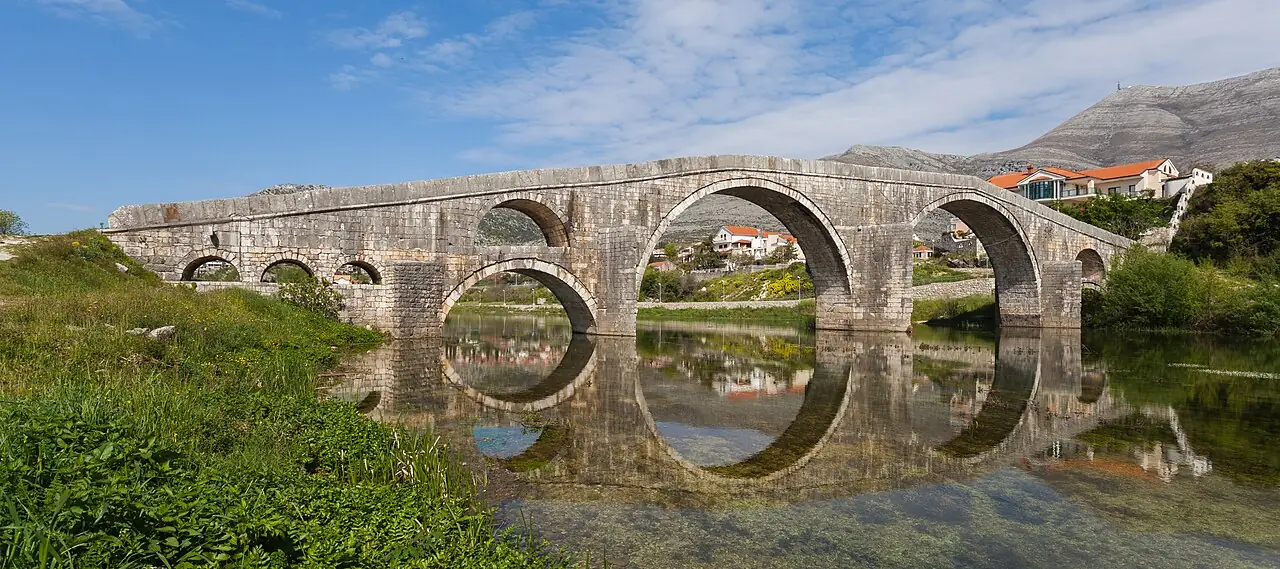
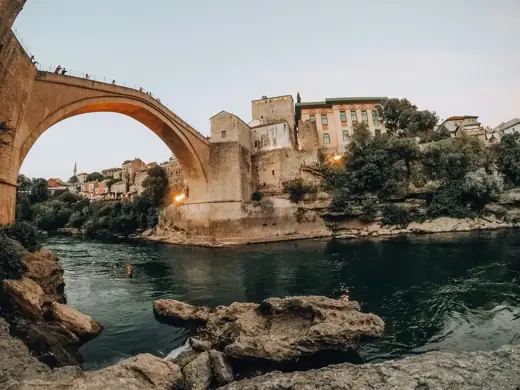
Trebinje has around 260 sunny days a year, a river so clear it looks painted, and a main square where sixteen enormous plane trees make a single roof of leaves. Under them is a market in the morning and most of the town by evening.
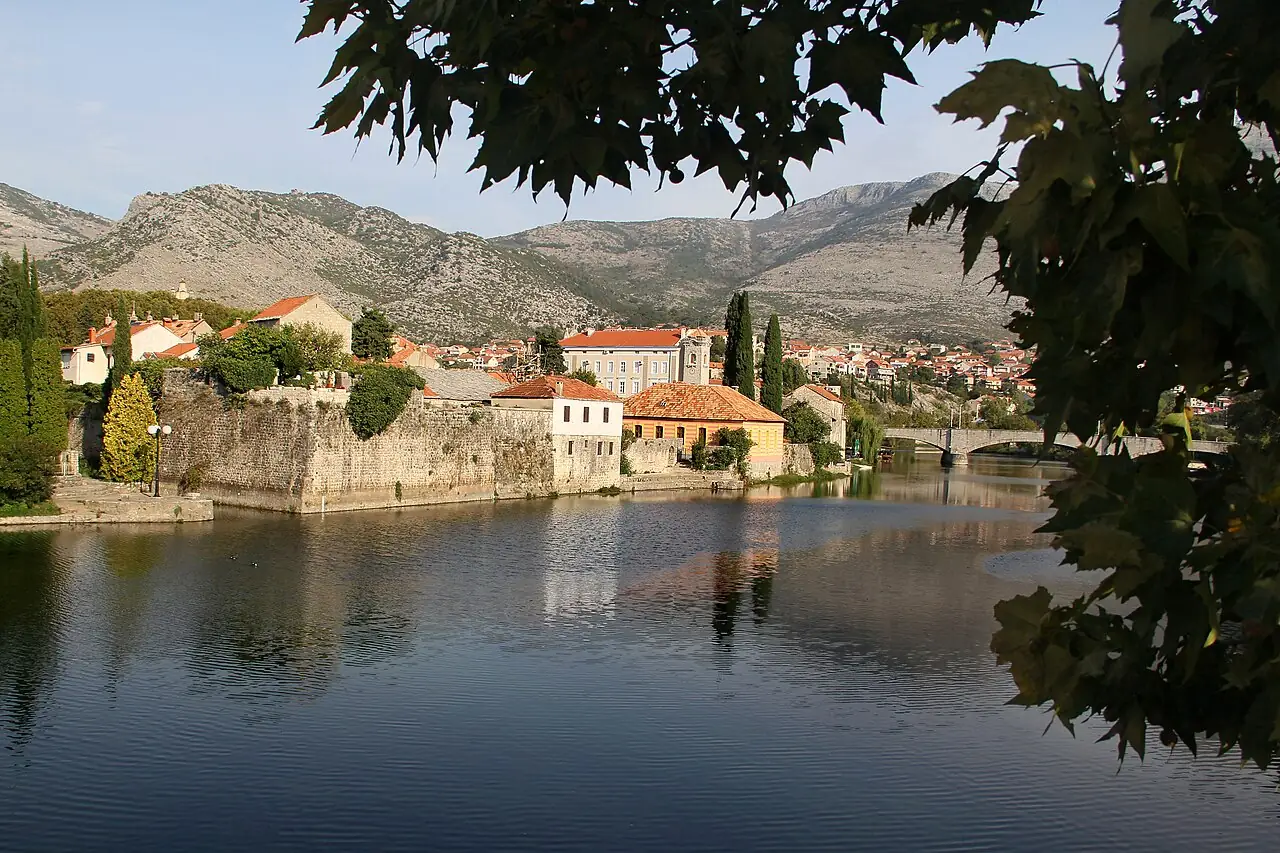
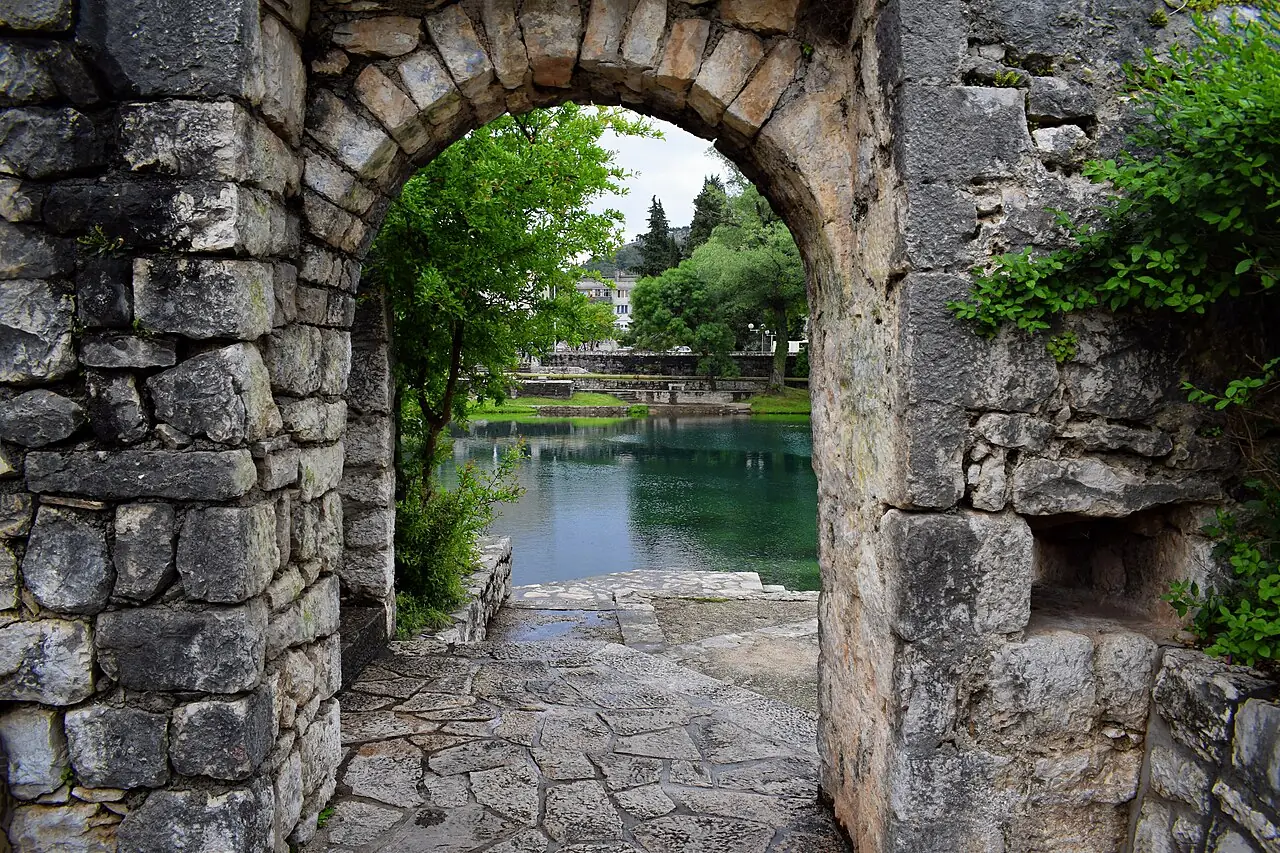
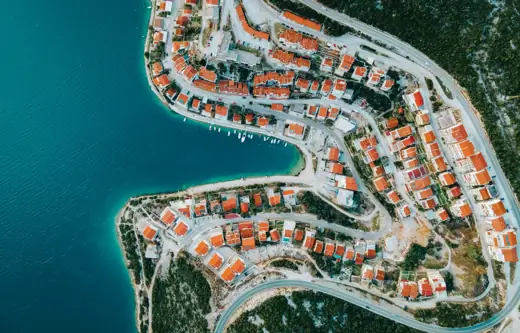
The old town beside it is small, walled and lived in. It was laid out by the Ottomans in the early eighteenth century, and its stone lanes now hold cafés, a museum and people’s front doors. Beyond the walls the streets are Austro-Hungarian, pale stone with green shutters.
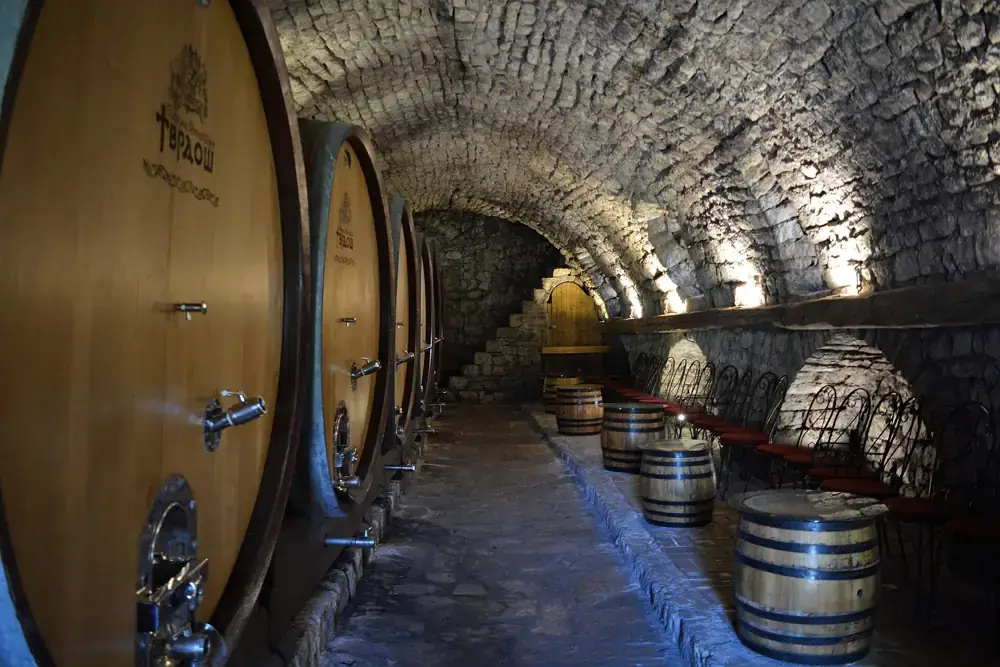
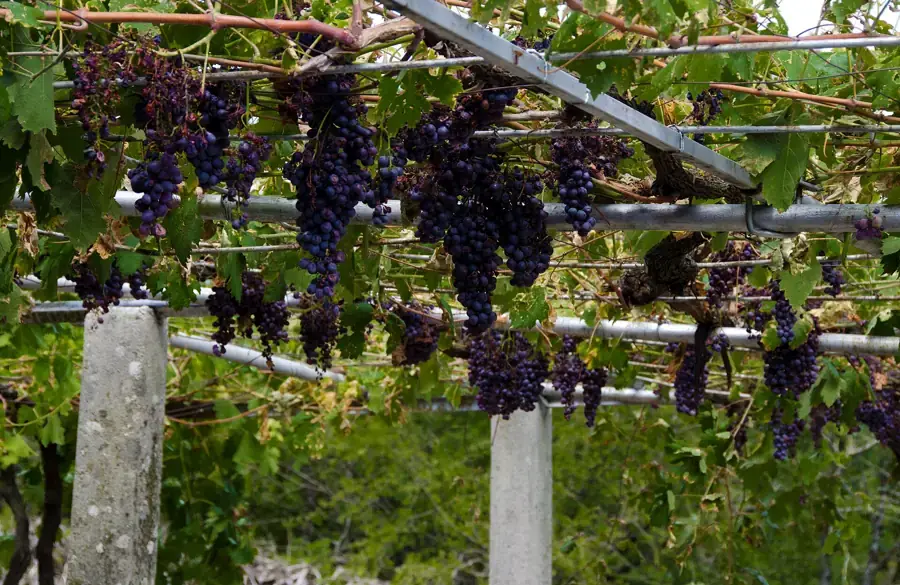
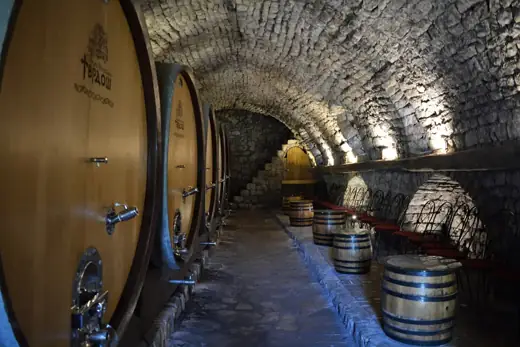
Everything here is close to something else. Dubrovnik is under an hour away, Montenegro less, and the hills around are planted with vines. Yet Trebinje itself is unhurried in a way its neighbours stopped being long ago.