- Home
- Things to do
Things to do
White water, high ground, deep snow and cold caves, most of it within a couple of hours of a city. And old towns, museums and long coffees for the days between.
- 4rafting rivers
- 2,386 mthe highest peak
- 3ski mountains
- 240bird species at Hutovo Blato
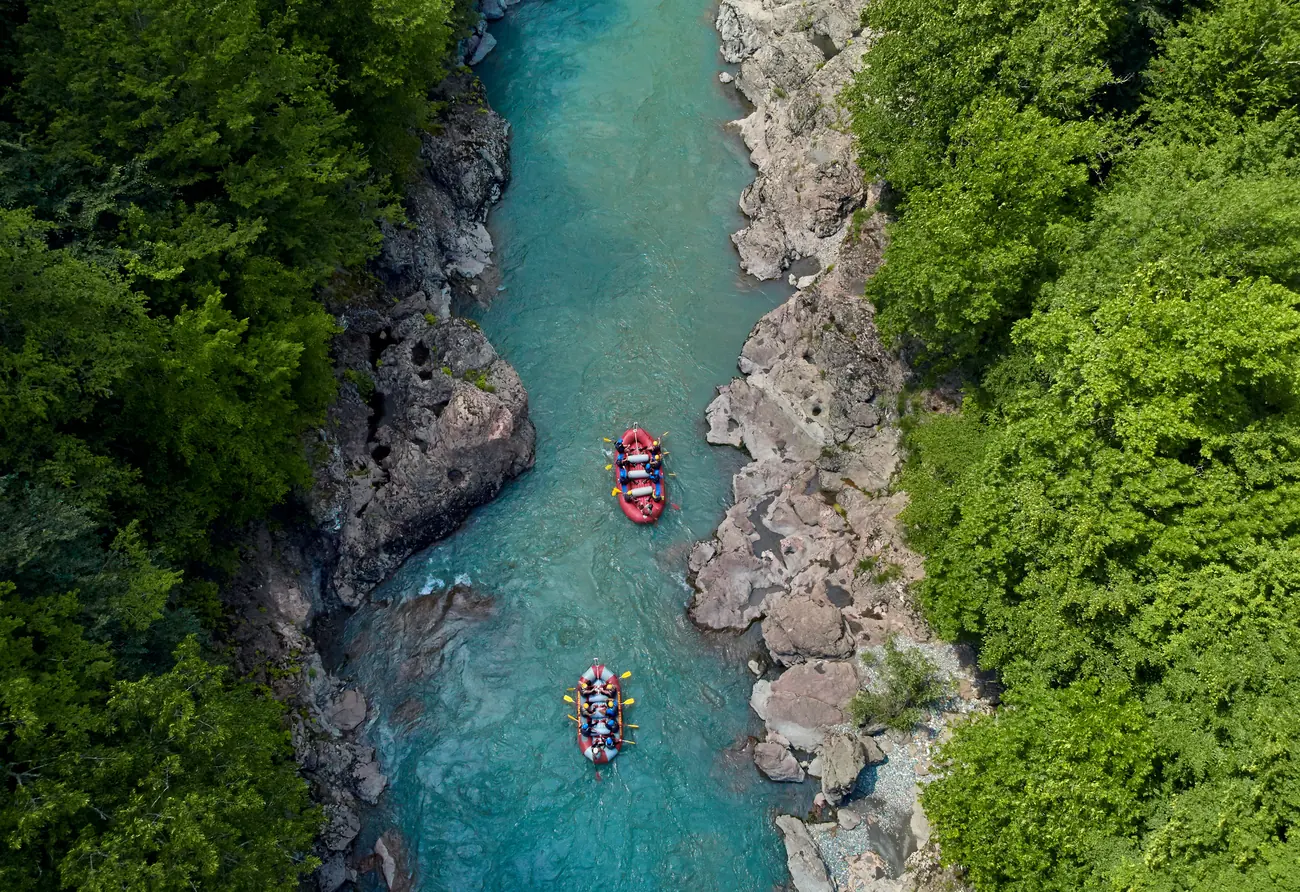
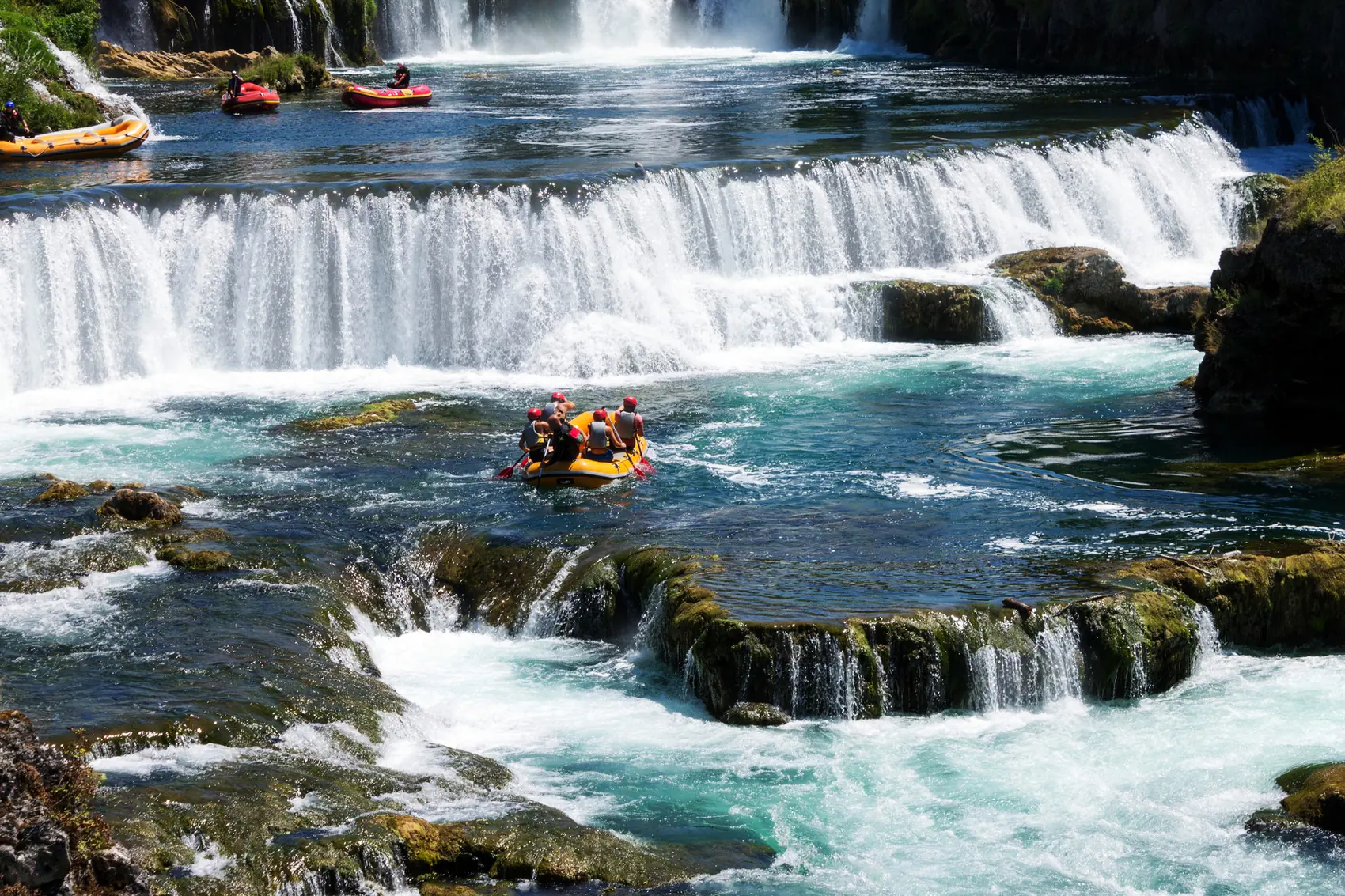
Raft
Four rivers, from April to October. The water is biggest in spring and warmest in summer.
Neretva, Una, Vrbas, TaraHalf a day to a full day
- The Una runs through its own national park, near Bihać.
- The Neretva is rafted from Konjic.
- The Tara, reached from Foča, runs through the deepest canyon in Europe.
- The Vrbas runs through a canyon above Banja Luka.
- Go on a guided trip. Ask what the price includes before you pay, and follow the guide on the water.
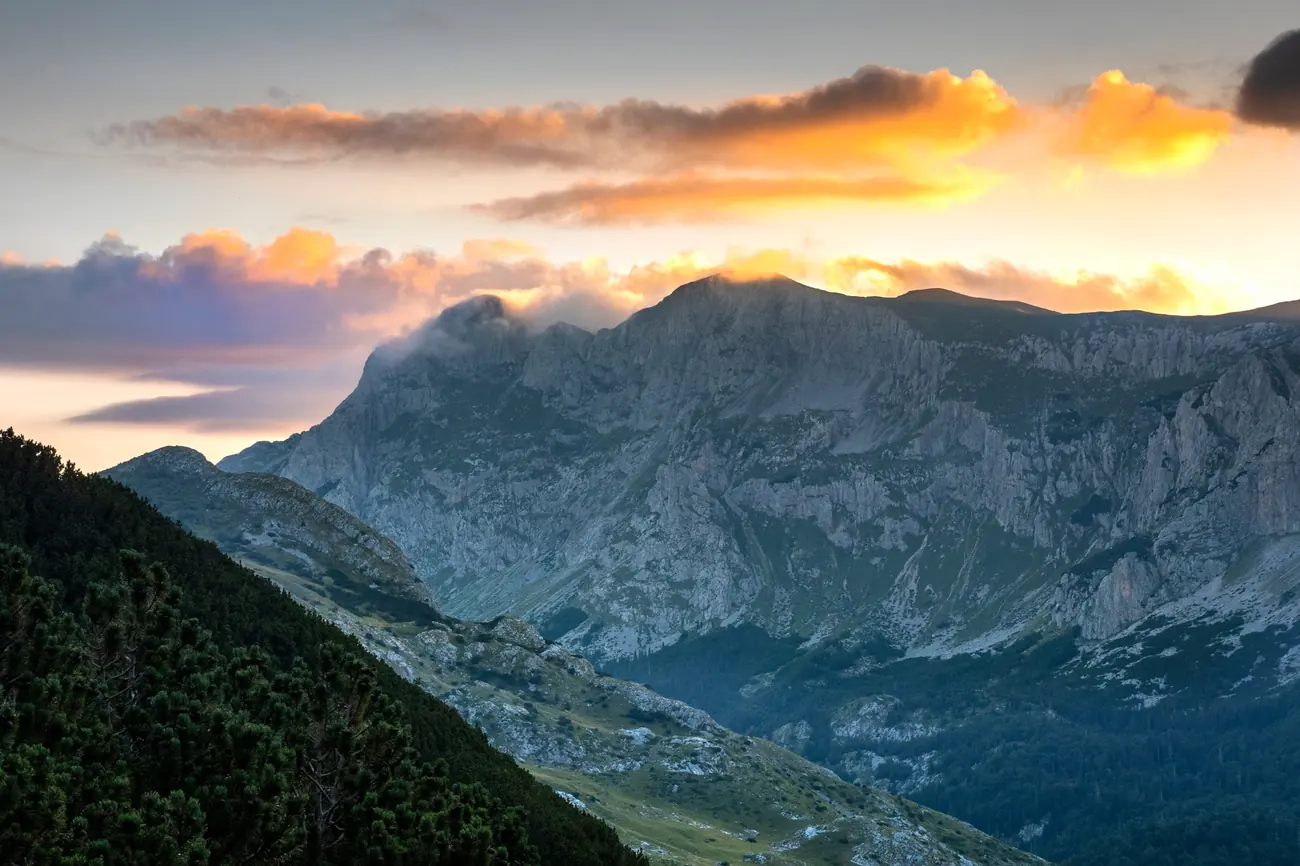
Walk
June to September on the high ground. The tops hold snow until June.
Maglić to LukomirFrom the highest peak to the highest village
- Maglić, at 2,386 metres, is the highest peak in the country, in Sutjeska National Park. It is a mountain for the equipped.
- Prenj has at least eleven peaks above 2,000 metres, and is for experienced walkers.
- Lukomir, at 1,495 metres, is the highest village. Many visitors walk the last stretch from Umoljani.
- The Zelengora lakes lie high in the same national park as Maglić.
- Keep to marked trails, and take route advice from a local guide or mountain club before you set out. Read Safety and emergencies first.
Go with a guide.
The rivers, mountains and caves here are the real thing. Local guides know the water, the weather and the paths.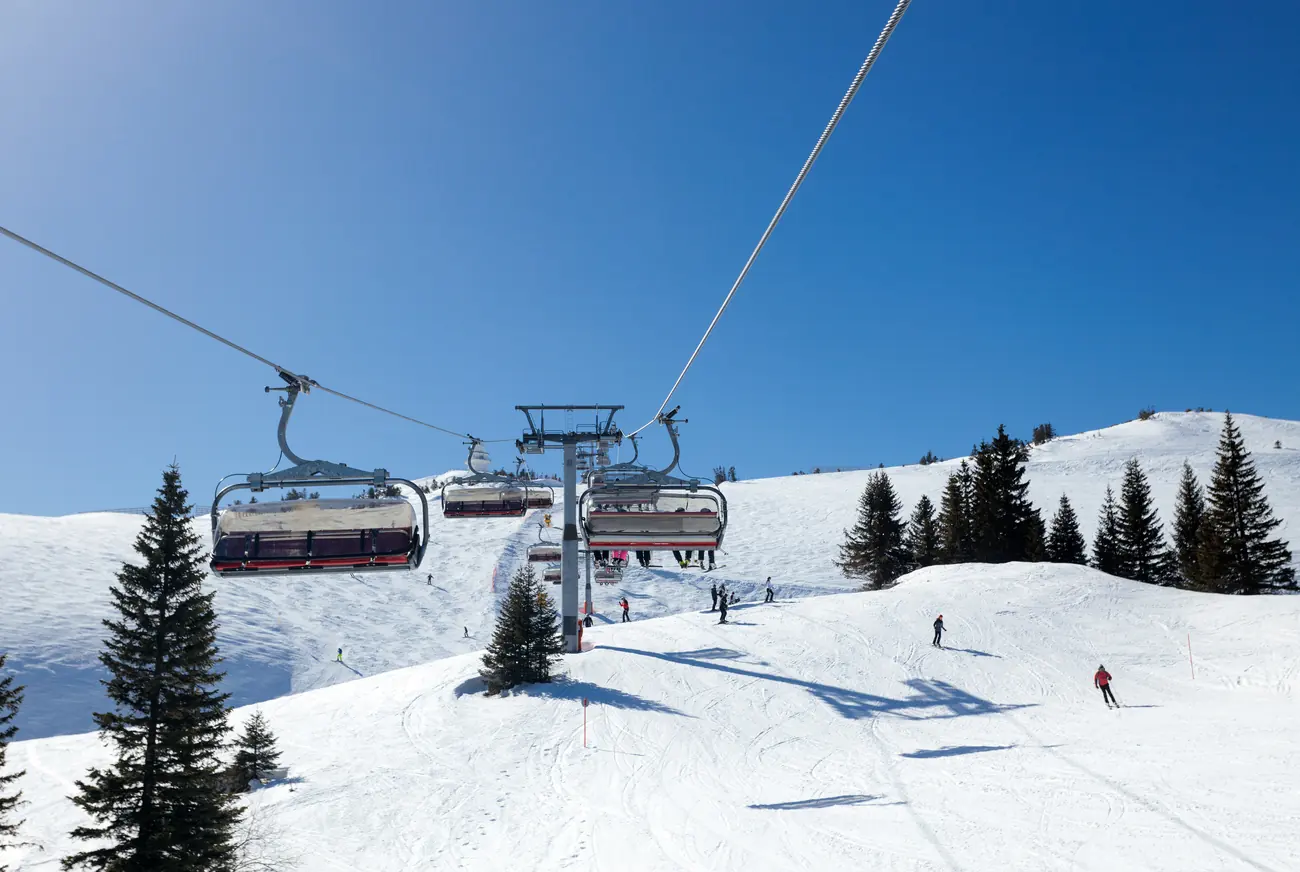
Ski
Usually mid-December to late March, on the mountains that held the 1984 Winter Olympics and on Vlašić.
Jahorina, Bjelašnica, VlašićSnow an hour from the capital
- Jahorina has about 52 km of slopes and 18 lifts, 30 km from Sarajevo.
- Bjelašnica is the other Olympic ski mountain near the capital.
- Vlašić stands above Travnik, in Central Bosnia.
- From 1 November to 1 April every vehicle must carry winter equipment.
- A day pass in 2026/27 is 98 KM on Jahorina and 69 KM on Bjelašnica.
Swim and float
June to September. A river, a lake or the sea is never far.
River, lake and seaAnd three kinds of boat
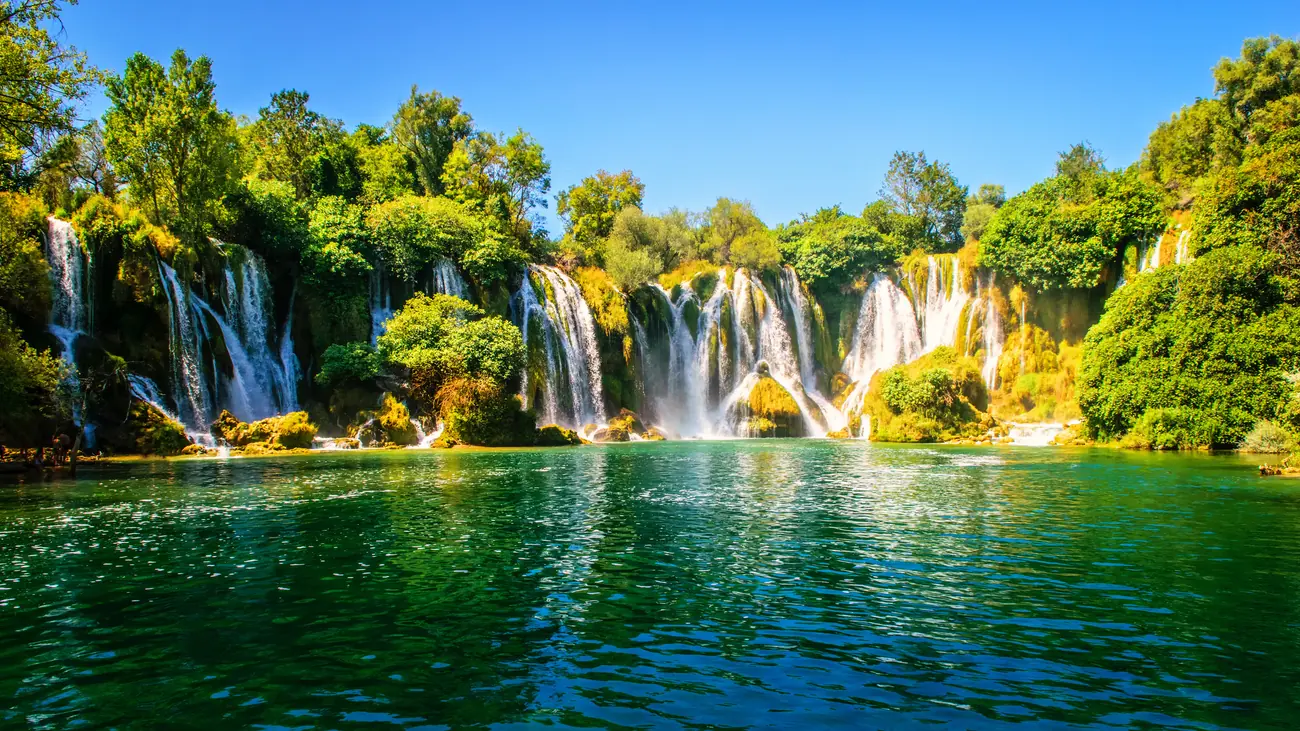
- Kravica is a horseshoe of waterfalls above a green pool. People swim there from June to September.
- Neum is the country’s one town on the Adriatic.
- For lakes, try Ramsko lake or Balkana lake.
- Take a boat into the Drina canyon from Višegrad, or through the reeds at Hutovo Blato.
- In Banja Luka, ride in a dajak, a long boat pushed up the Vrbas with a pole.
Go underground
Two show caves, both visited with a guide.
Vjetrenica and BijambareBring a warm layer, even in August
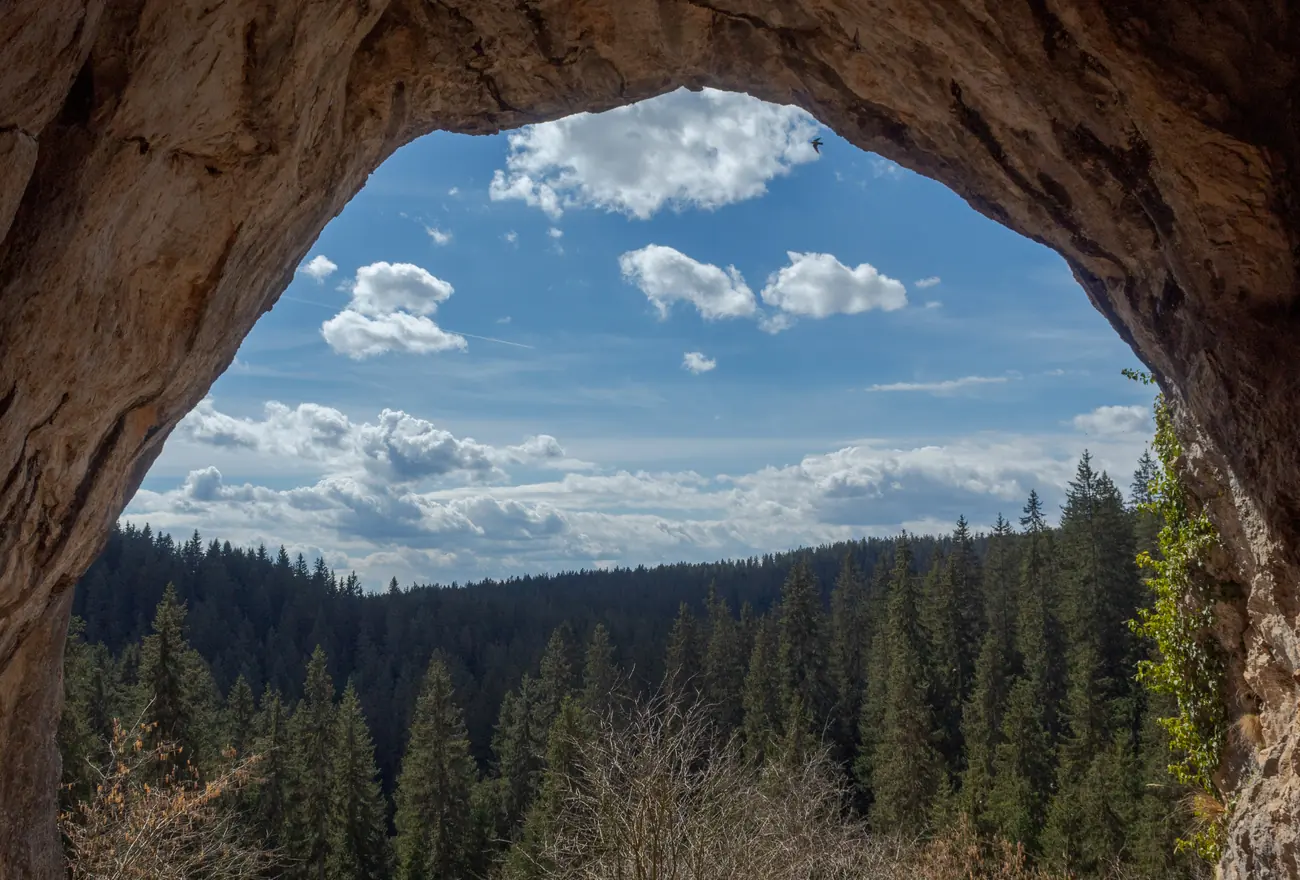
- Vjetrenica, near Ravno in the far south, has more than 7 km of explored passages and has been a World Heritage Site since 2024. Tours take 40 to 60 minutes.
- Bijambare, 40 km north of Sarajevo, is a guided walk of about 420 metres through four chambers.
- Vjetrenica runs tours all year. The cave at Bijambare is closed from December into April.
Watch
Wild horses on a plateau, and a wetland full of birds.
Horses and heronsBest with someone who knows where to look
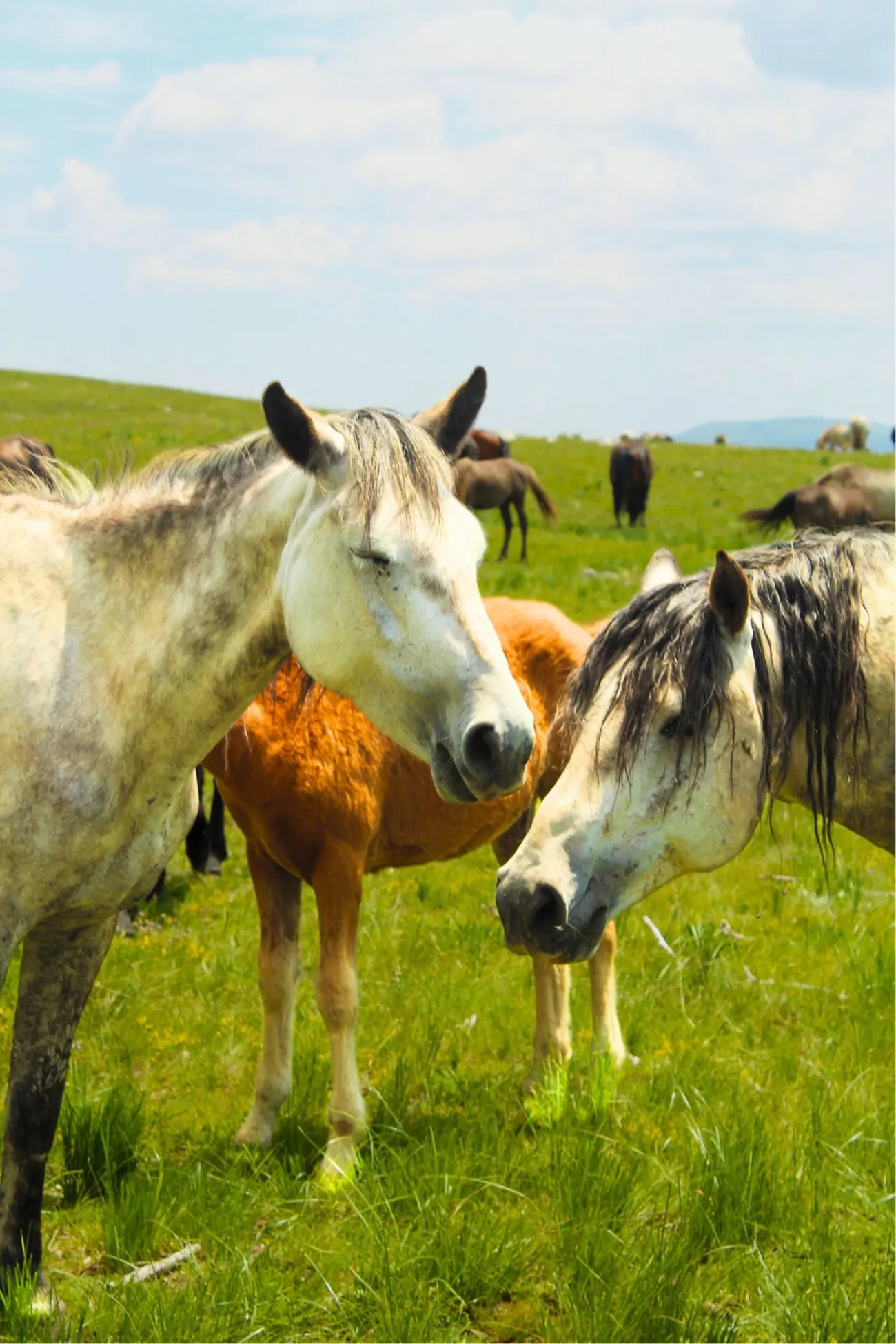
- Herds of wild horses roam the plateau beneath Mount Cincar, near Livno. Take a guide to find them.
- Hutovo Blato has about 240 recorded bird species. It is at its best in spring and autumn, when the migrants pass through.
- Keep your distance from the horses, and do not feed them.
In town
- Sarajevo
- The old bazaar, the Gazi Husrev-beg Mosque, Vijećnica and the museums of the siege. The Sarajevo guide
- Mostar
- The Old Bridge and its museum, the bazaar and the Ottoman houses. The Mostar guide
- Bridges
- The Old Bridge in Mostar and the bridge on the Drina at Višegrad, both World Heritage Sites
- Medieval tombstones
- The carved stećci at Radimlja, near Stolac
- Monasteries
- Tvrdoš near Trebinje, Kraljeva Sutjeska and Fojnica
- The twentieth century
- Tito’s bunker at Konjic, the broken bridge at Jablanica and the Tunnel of Hope in Sarajevo
On a wet day
- Go underground
- Tito’s bunker at Konjic and the cave at Vjetrenica are the same in any weather. Book the bunker ahead
- Museums
- Sarajevo has enough for two wet days. Elsewhere: the Andrić house in Travnik, the museum at Jablanica and the Museum of Herzegovina in Trebinje
- A cellar
- The wine cellars under Tvrdoš monastery
- A long coffee
- Nobody will hurry you. See Food and drink
- Not the mountains
- Cloud on the tops means no view and poor footing. Change the day, not the route
With children
- Salt lakes
- Tuzla: shallow salt-water lakes in the middle of town, with a stilt village beside them
- A carriage ride
- Along the avenue to Vrelo Bosne, with level paths for pushchairs at the springs
- A cable car
- Up Trebević from the old town of Sarajevo. Keep to the terraces and the signed path
- An easy cave
- Bijambare: a level forest walk, then a guided cave
- First snow
- The nursery slopes and sledge run at Jahorina
- Take care
- Fortress walls and canyon rims are mostly unfenced. Hold small hands
When each is on
- Rafting
- April to October; highest water in April and May
- Mountain walking
- June to September on the high ground
- Skiing
- Usually mid-December to late March
- Swimming
- June to September
- Bird-watching
- Spring and autumn
- Caves
- Vjetrenica all year; Bijambare from spring to November
Questions people ask
What is there to do outdoors in Bosnia and Herzegovina?
Rafting on four rivers, mountain walking up to 2,386 metres, skiing on three mountains, swimming in rivers, lakes and the Adriatic, guided cave visits, and watching wild horses and wetland birds.
Where can you go rafting?
On the Neretva from Konjic, the Una near Bihać, the Vrbas above Banja Luka and the Tara from Foča. The season runs from April to October.
Where can you ski?
On Jahorina and Bjelašnica, both about 30 km from Sarajevo, and on Vlašić above Travnik. The season usually runs from mid-December to late March.
Is it safe to walk in the mountains?
Keep to marked trails and roads, and take route advice from a local guide, a mountain club or the authorities before you set out. Some remote areas still carry a risk from landmines. Read the safety page before you plan a route.
What is there to do with children?
The salt lakes at Tuzla, the carriage ride to Vrelo Bosne, the cable car up Trebević, the cave walk at Bijambare, calm swimming at Neum and the nursery slopes at Jahorina.
What is there to do when it rains?
Go underground at Tito’s bunker in Konjic or the Vjetrenica cave, spend the day in Sarajevo’s museums, or sit over a long coffee. Leave the mountains for a clear day.
Do I need a guide?
For rafting and the show caves, yes: both are run as guided trips. For the high mountains and for finding the wild horses near Livno, a local guide is strongly advised.
Prices, opening times and conditions change: confirm them with the operator or the park before you travel. Photographs supplied by Visit Bosnia and Herzegovina; Maglić by Nikola Basic, wild horses by Emina Bukvić.