Visit BiH
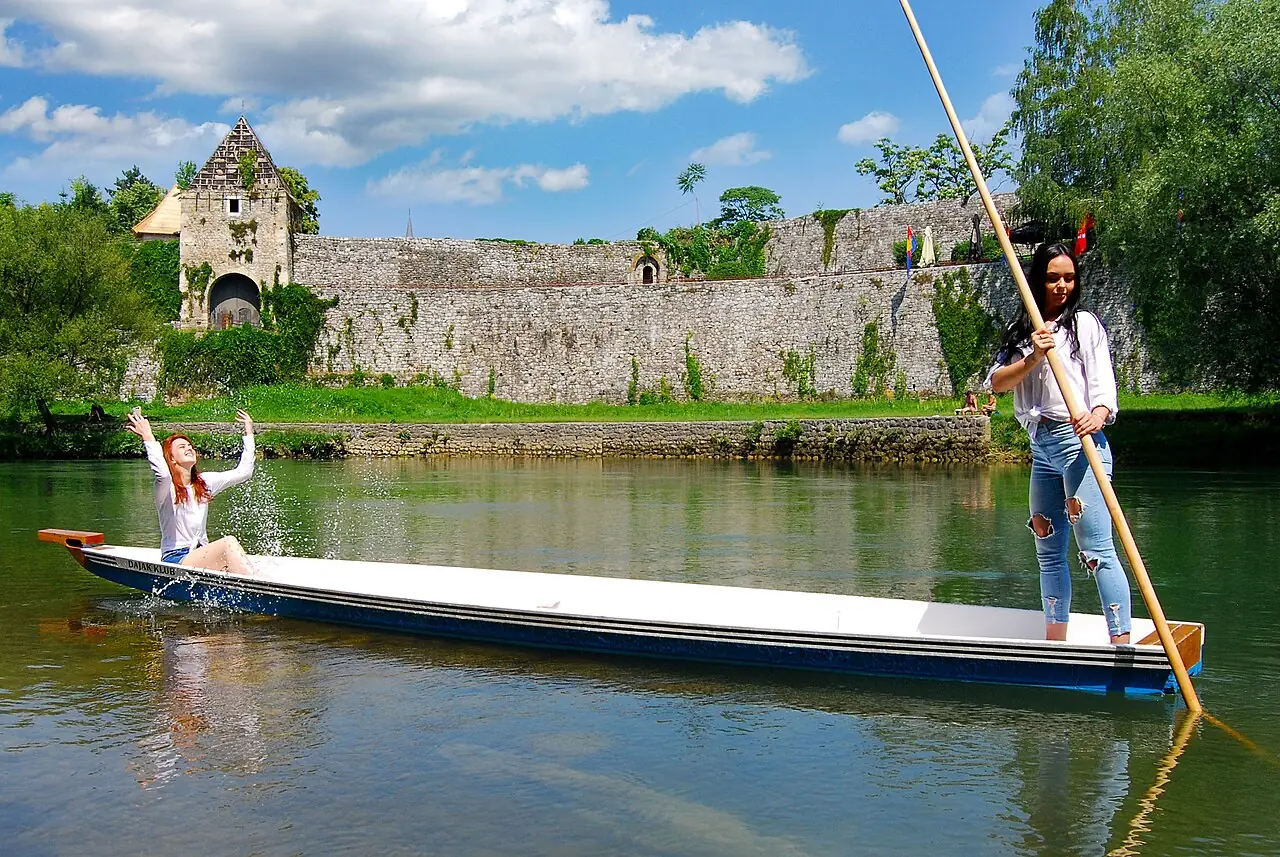
A boatman poling a long dajak boat on the Vrbas, below the walls of Kastel fortress

Banja Luka

  1. Home
  2. Places
  3. Republika Srpska
  4. Banja Luka

A green city on a fast river, where the boats are pushed with poles.

163mRiver country

Banja Luka in brief. Banja Luka is the second largest city in Bosnia and Herzegovina, in the north-west of the country, on the Vrbas river. It is known for Kastel, a riverside fortress with Roman origins, for its tree-lined avenues, and for the dajak, a traditional boat driven with a pole. It is also the base for rafting in the Vrbas canyon. Allow a day for the city and another for the river.

The city and its river

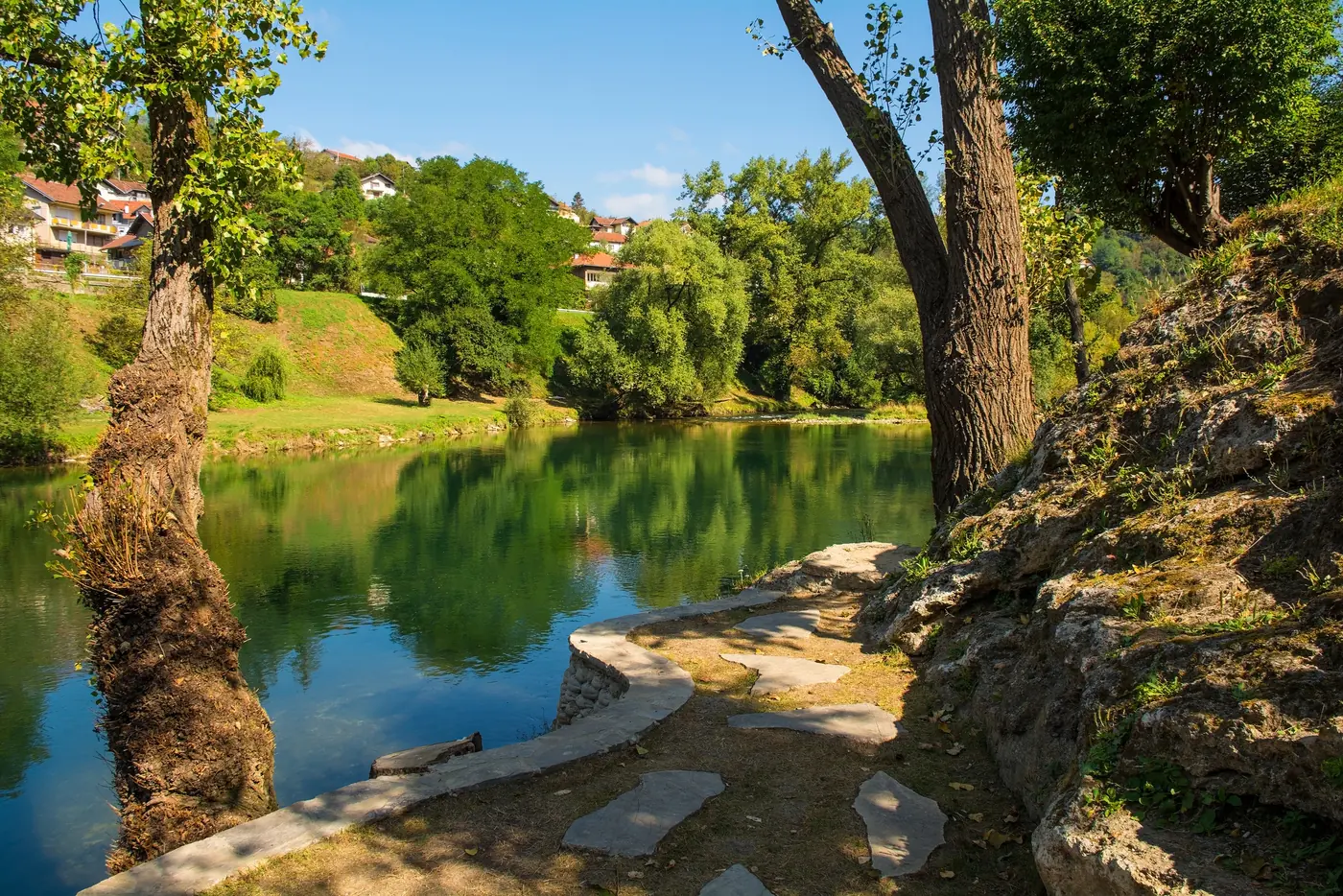
The Vrbas comes out of a canyon just south of the city and runs straight through the middle of it, green, cold and quick. Banja Luka has never turned its back on it. People swim in it, fish in it, dive into it from the city bridge, and cross it in boats of a kind found nowhere else.

Away from the water it is a place of long, shaded avenues, parks and pale stucco buildings from the Austro-Hungarian years. It feels spacious and unhurried, and in summer it lives outdoors.

The city combines a riverside fortress, places to eat and access to the Vrbas. Allow time for the centre as well as an outing on the river.
What it is
The country’s second city
River
Vrbas
Height
163 m
Known for
Kastel, dajak boats, ćevapi
Best months
May to September
Time needed
One to two days
From Sarajevo
About 190 km

The boat that walks upstream

  1. A boat named after its poleThe dajak is the pole: four metres of wood with a steel spike. The boat it drives is long, narrow and flat, about seven metres from end to end and barely eighty centimetres wide.
  2. PlantThe Vrbas here is fast, shallow and stony. An oar finds nothing to pull against. So the boatman stands at the stern, reaches forward and sets the spike on the riverbed.
  3. PushThen he walks his hands down the pole and leans. The spike stays where it is. The boat moves.
  4. Against the riverStroke by stroke the boat climbs the current. For centuries this was how people and goods went up the Vrbas. Locals call it Banja Luka’s gondola.
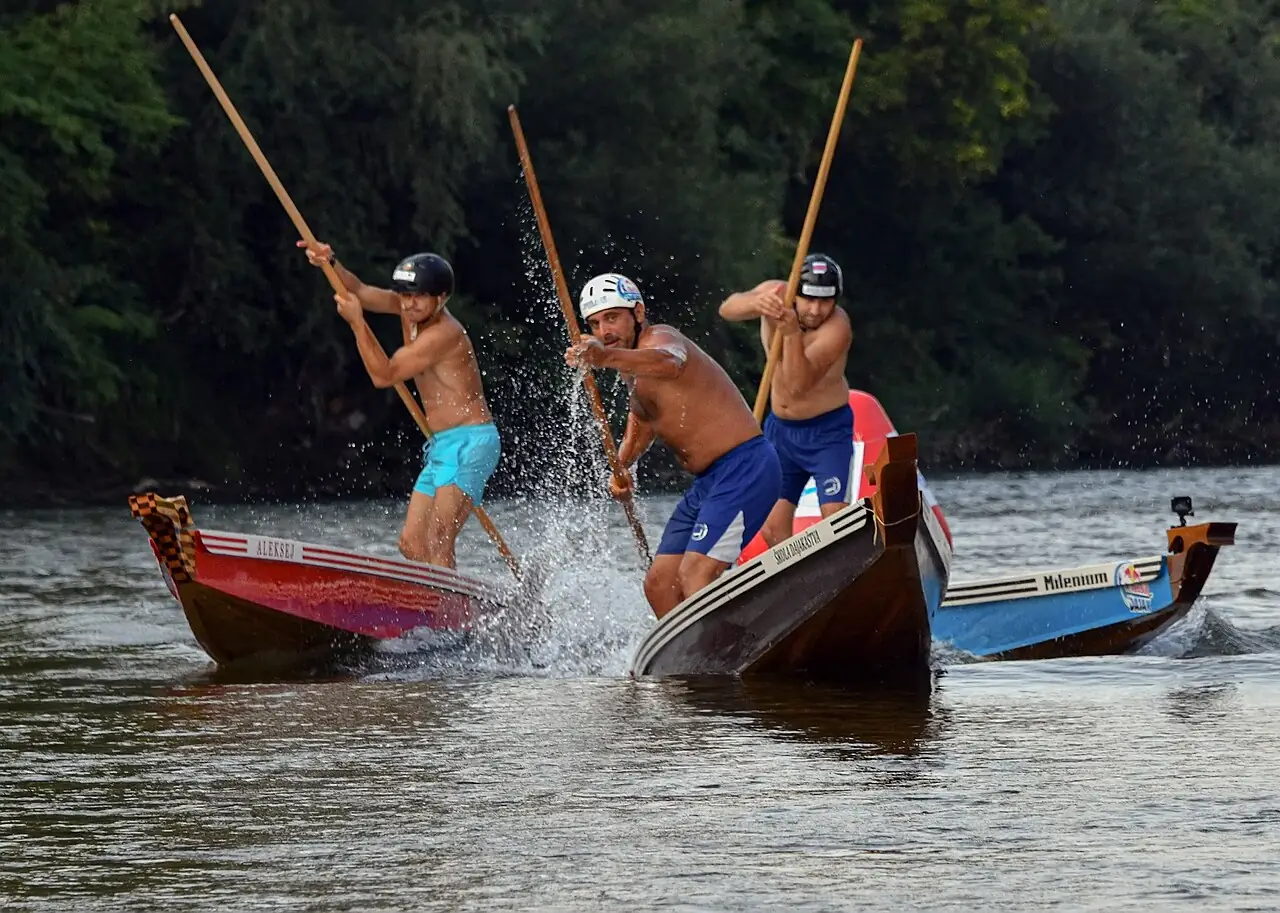
  5. Summer on the VrbasEvery July the best boatmen race under the walls of Kastel, and divers leap from the city bridge. On summer nights you can ride past the floodlit fortress yourself.

What to do in Banja Luka

  • Three boatmen poling a dajak hard through white water

    Ride in a dajak

    From late spring to early autumn the city’s boatmen take passengers on the Vrbas, past the fortress walls and under the bridges. Evening rides, with Kastel floodlit, are the ones to ask for.

    Season
    Late spring to early autumn
    Time needed
    30 minutes to an hour
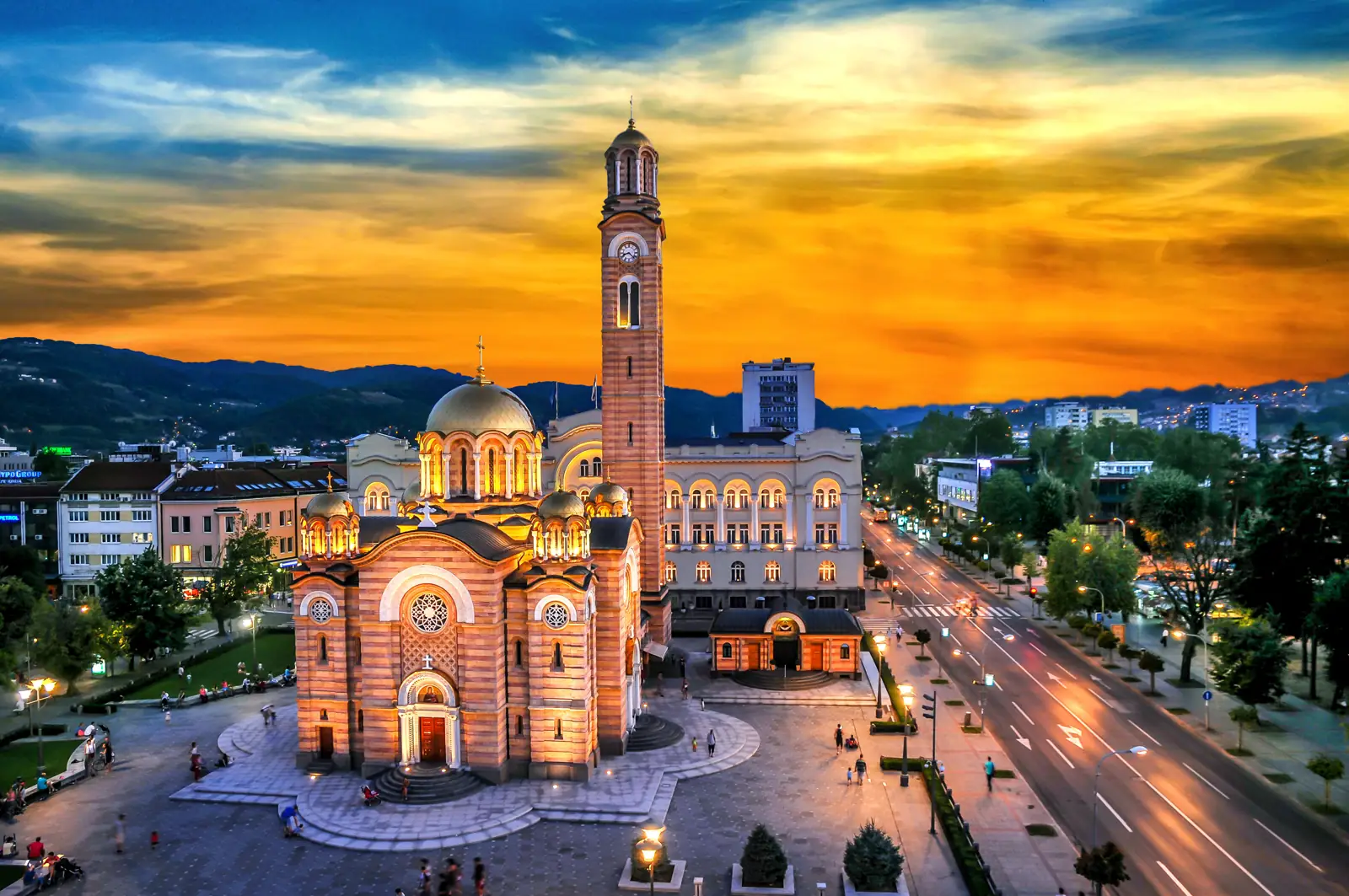
  • The Cathedral of Christ the Saviour, with golden domes and a tall bell tower

    The Cathedral of Christ the Saviour

    The city’s Orthodox cathedral, in banded red and yellow stone with golden domes. The original was destroyed in 1941; this faithful rebuilding was completed in 2004.

    Time needed
    20 minutes
    Where
    On the main square
    Entrance
    Open to visitors outside services. If one is under way, wait or come back.
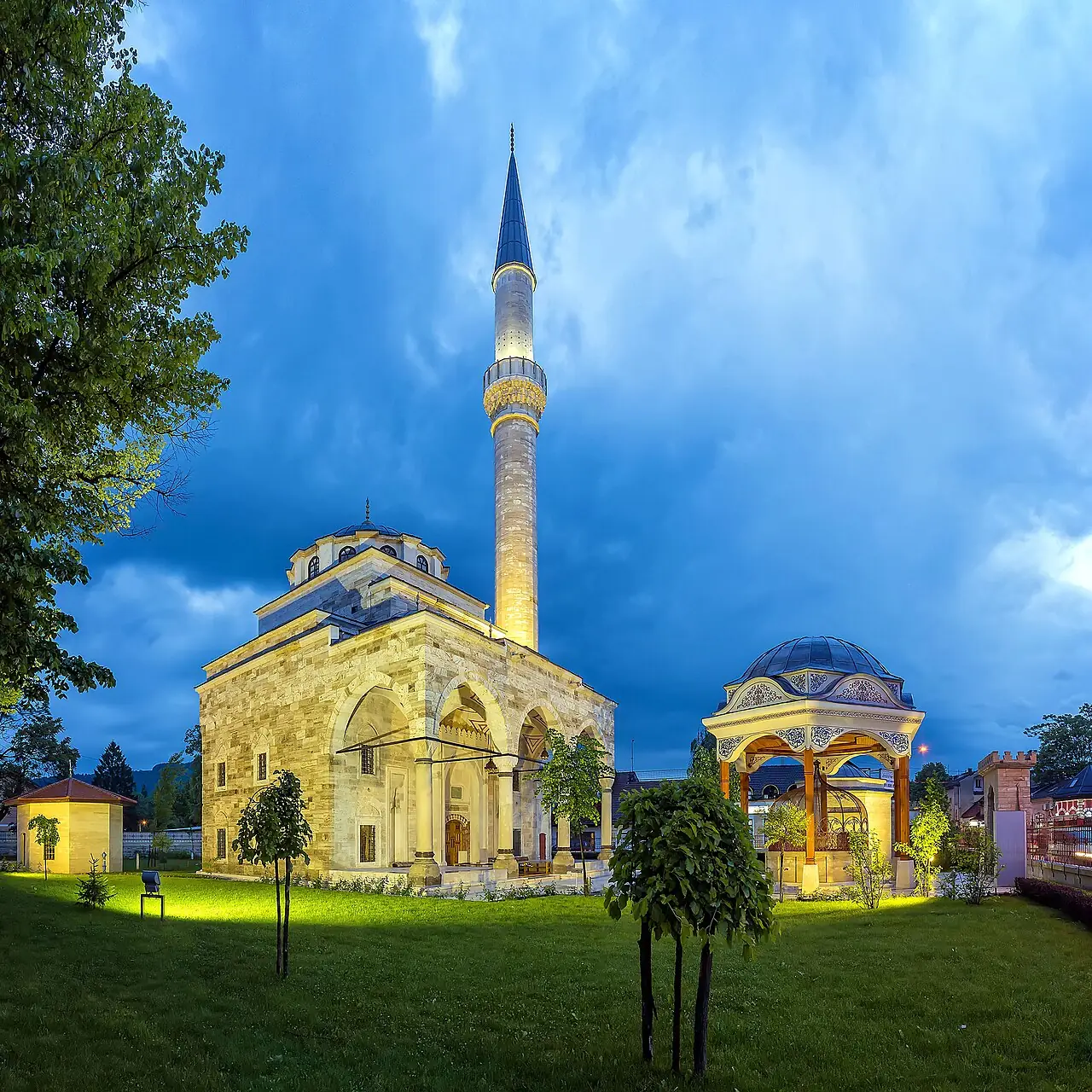
  • Ferhadija mosque, with its single dome and slender minaret

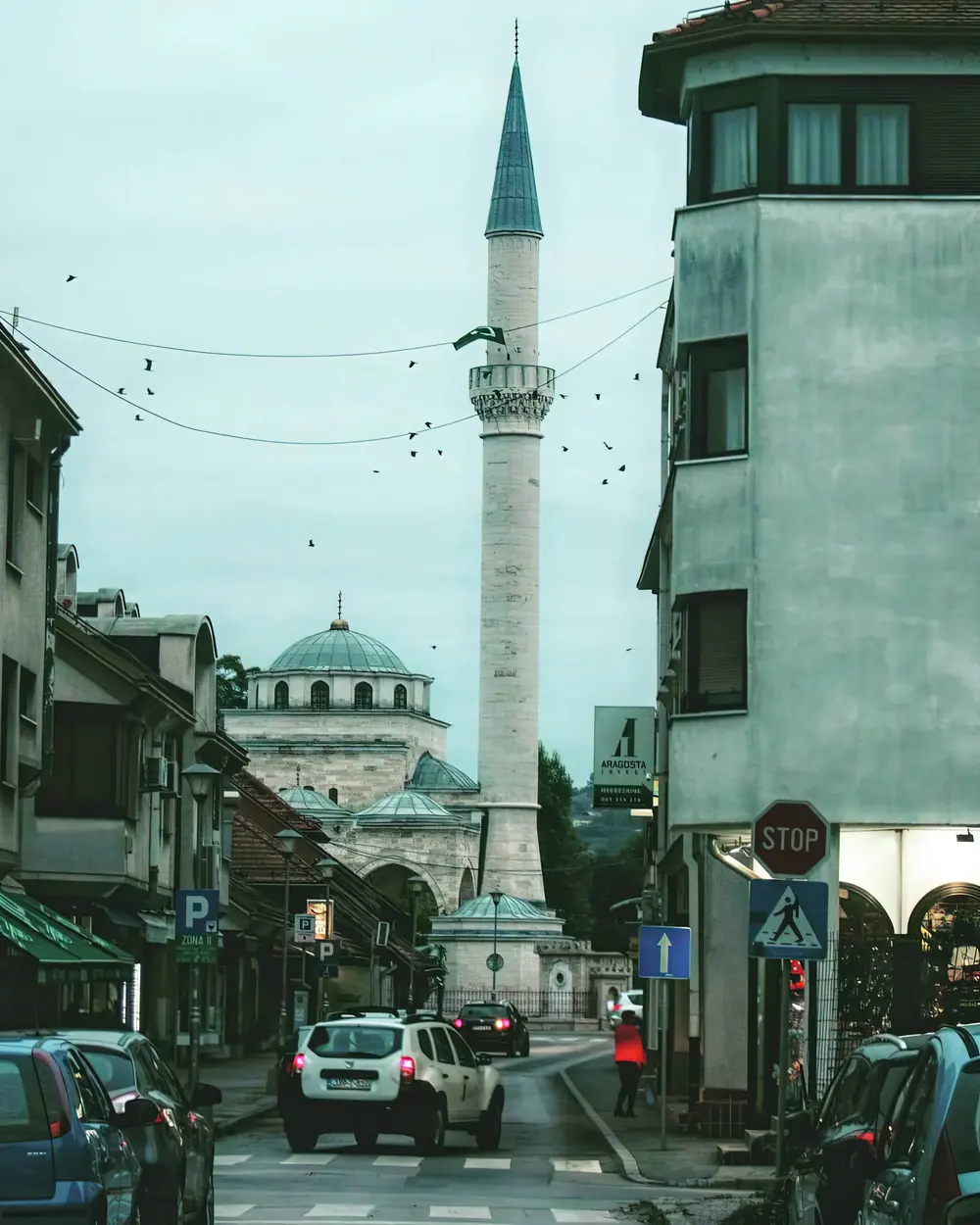
    Ferhadija mosque

    One of the finest Ottoman mosques in the country, first built in 1579. It was destroyed in 1993 and rebuilt on its foundations using the original stones where they could be found. It reopened in 2016.

    Time needed
    20 minutes
    Dress
    Shoulders and knees covered
    Entrance
    Open to visitors between prayers. Ask at the gate if you are unsure.
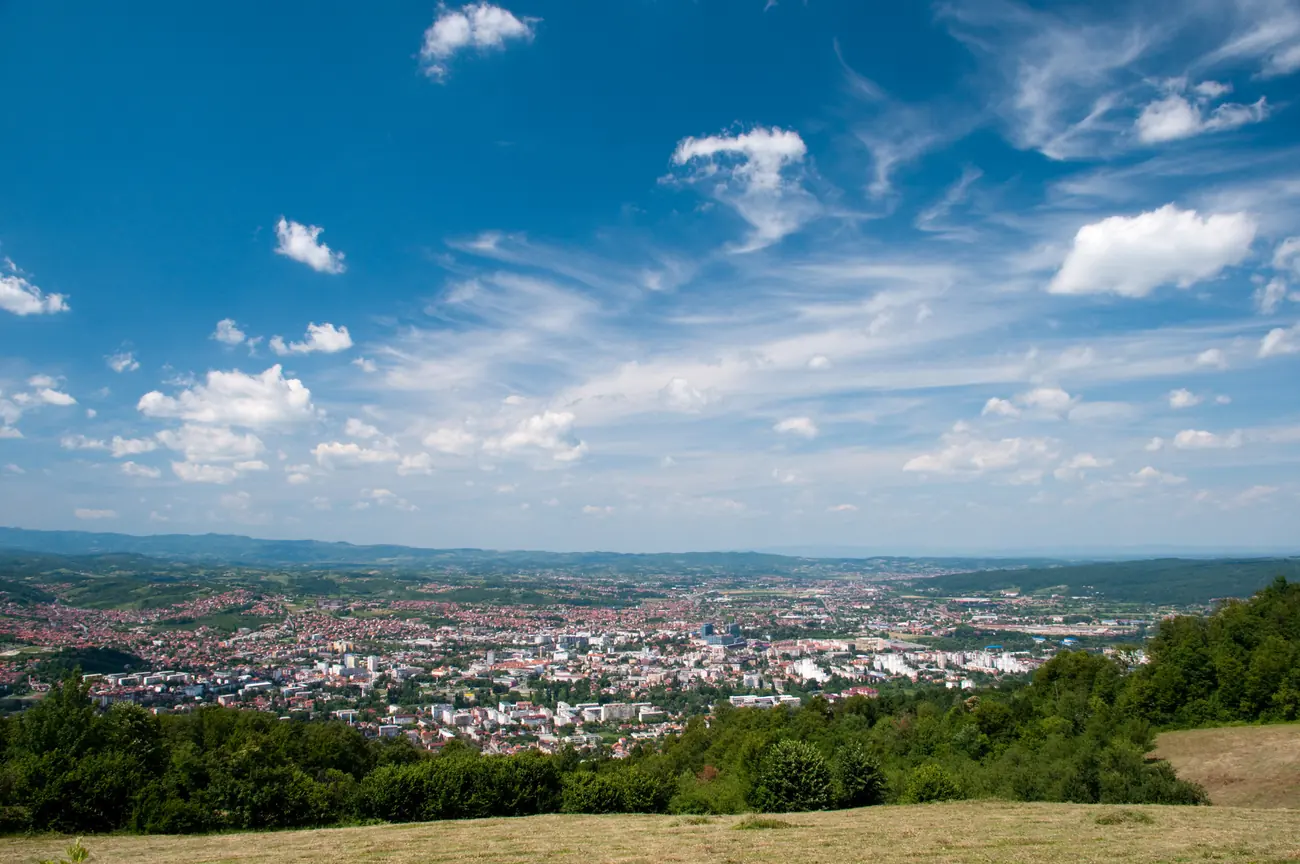
  • Banja Luka spread across the valley under a wide sky, seen from a grassy hilltop

    Climb Banj brdo

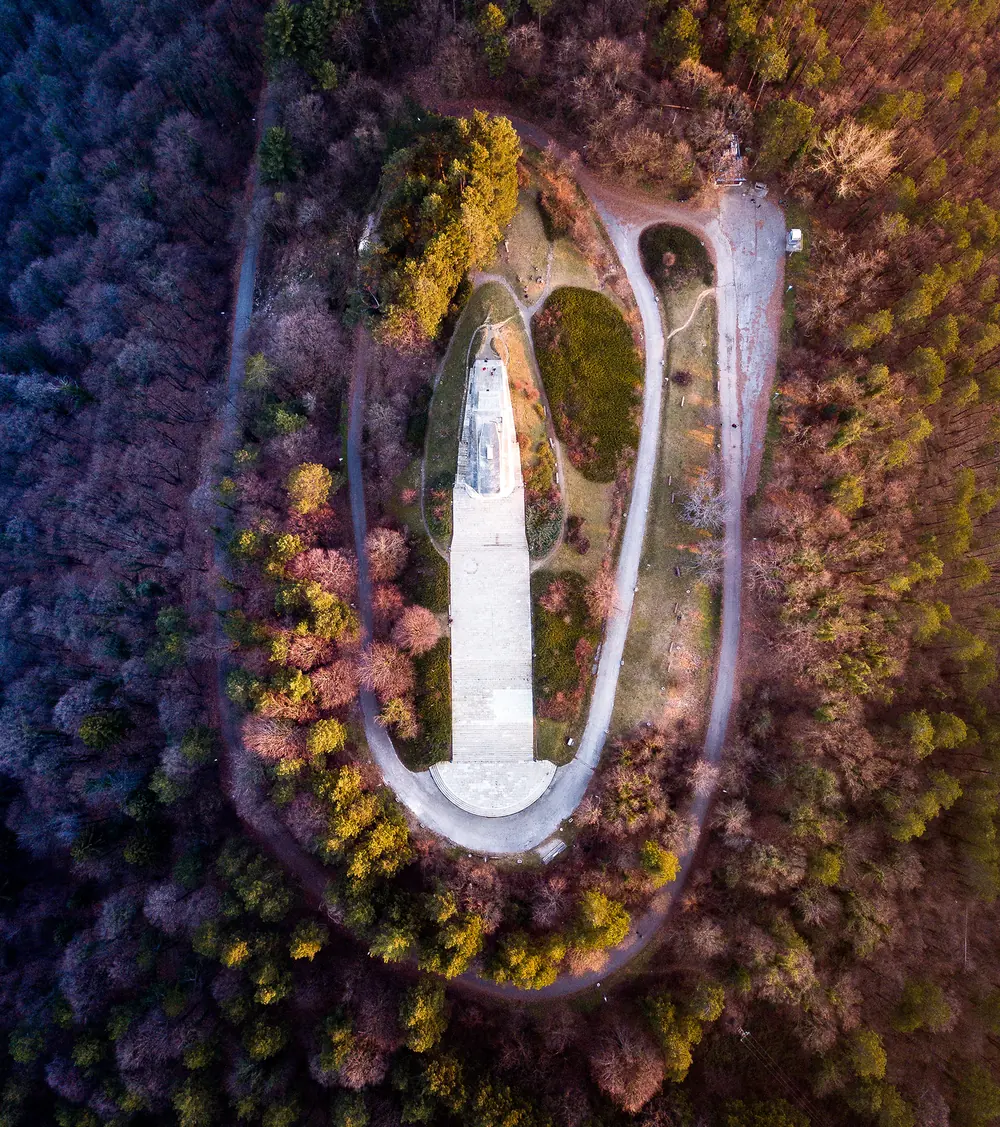
    The wooded hill south of the city, with a monumental white memorial at the top and the widest view over Banja Luka and the Vrbas valley. A favourite local walk.

    Time needed
    Two hours on foot, or drive
    From the centre
    About 5 km
    Entrance
    Open hillside and woodland, walked at any hour.
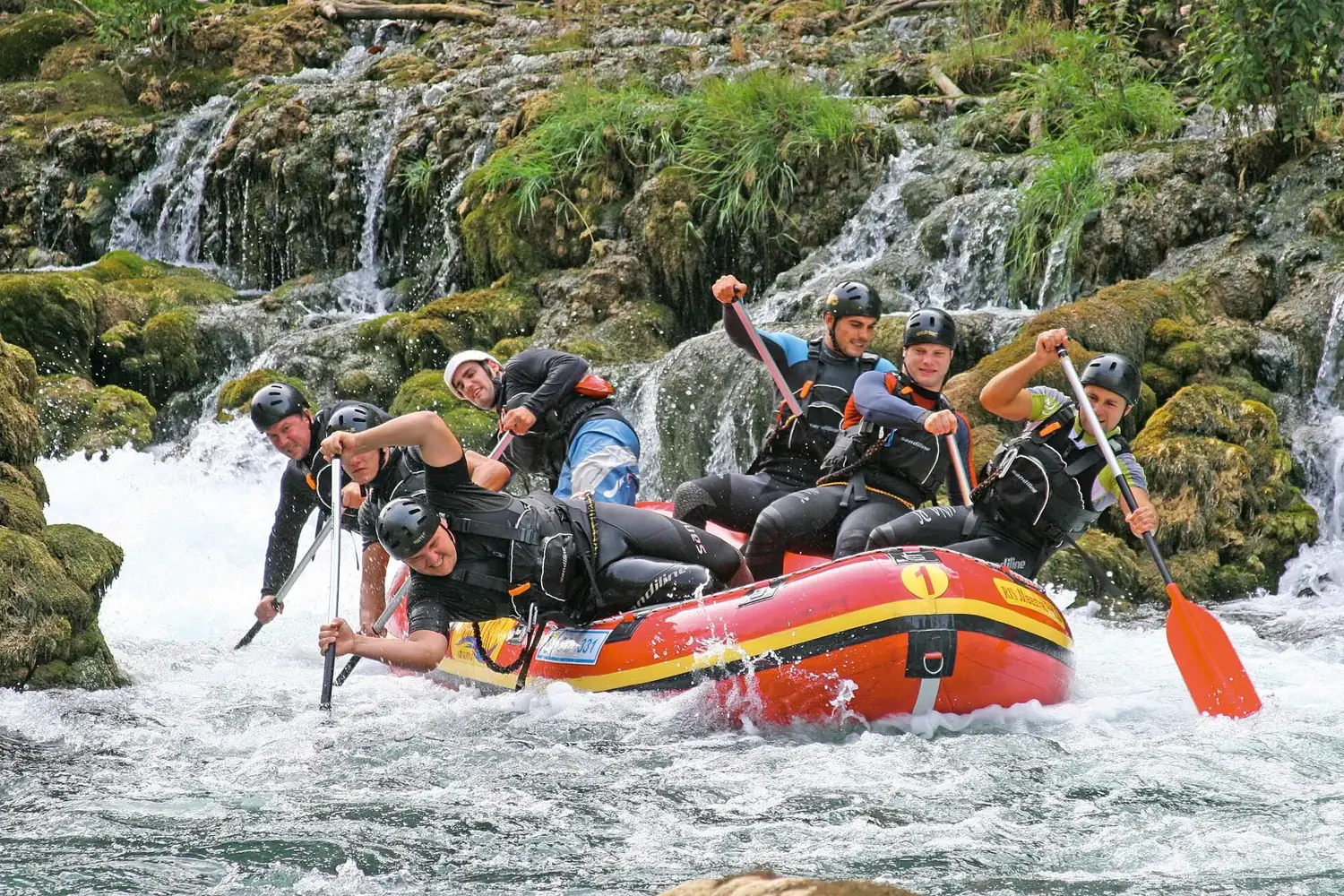
  • Raft the Vrbas canyon

    Upstream, the river cuts through the Tijesno gorge. Its rapids hosted world championship rafting, and some stretches are floodlit for evening runs.

    Season
    April to October
    Time needed
    Half a day
    Grade
    III to IV
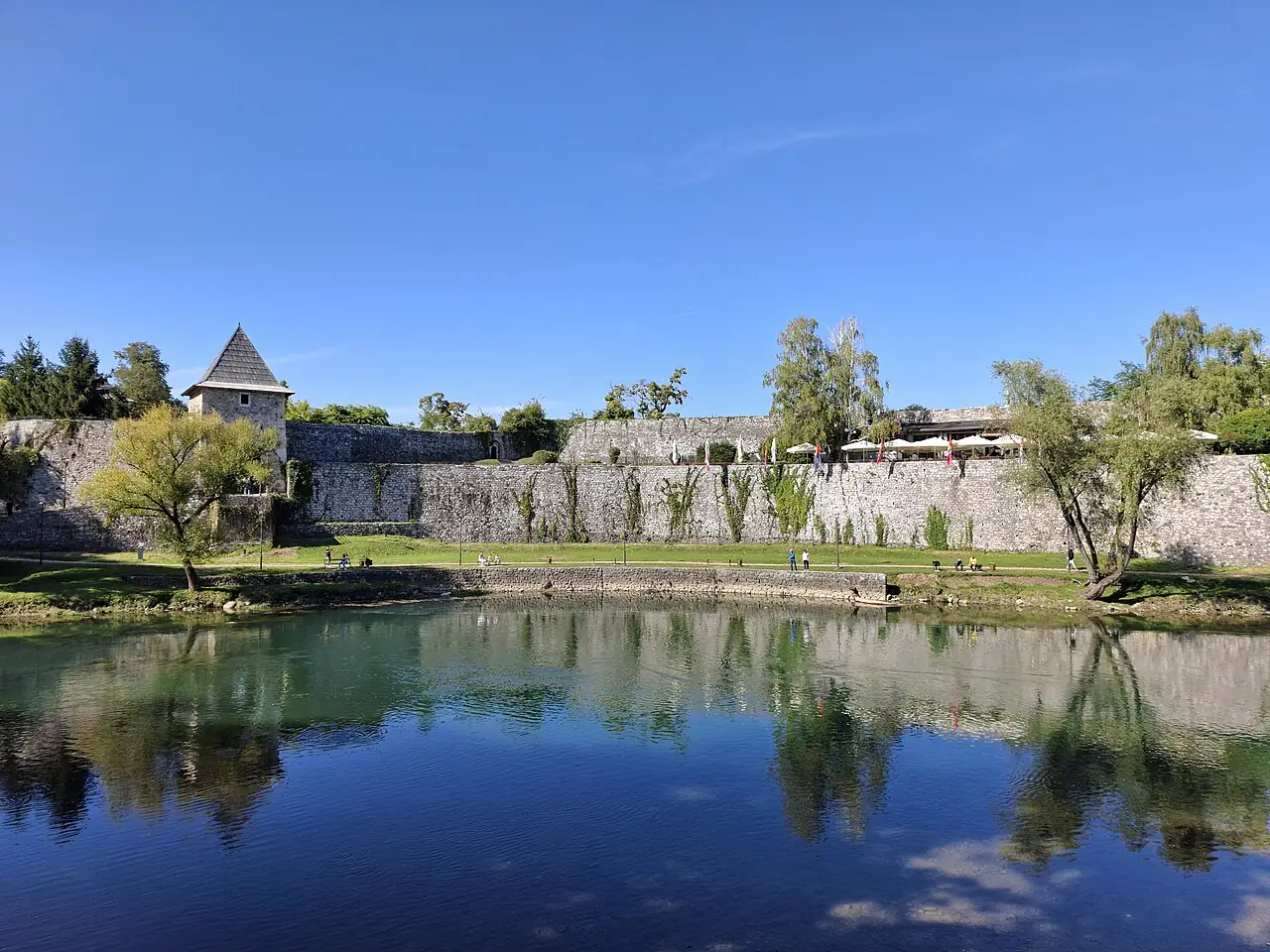
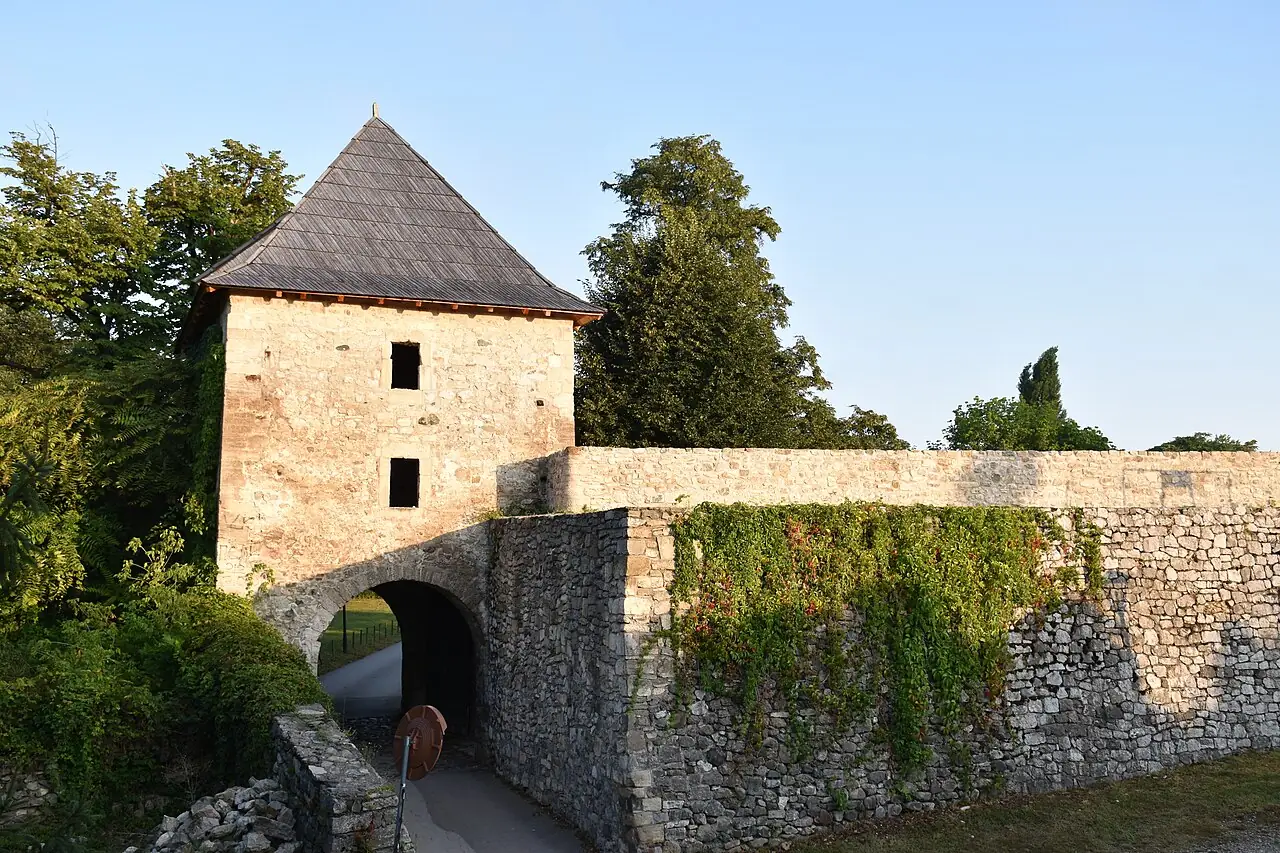
The walls of Kastel fortress reflected in the still VrbasA stone gate tower of Kastel with a pointed roof

Kastel

The fortress on the left bank of the Vrbas is the oldest thing in Banja Luka, and the place the city began. There has been a stronghold on this spot since Roman times; the walls and towers you see are mostly Ottoman.

Inside, the ramparts enclose a wide lawn, a playground, a summer stage and a terrace over the river. It is less a monument than a park that happens to have battlements.

Come at dusk, when the walls are lit and their reflection lies on the water.

Where
On the river, in the centre
Time needed
An hour
Entrance
Free

Good to know

On foot
The centre, Kastel and the river are all within 20 minutes of each other
Kastel
A public park inside the walls, open all day
Dajak rides
In season; ask at the tourist office
Summer festival
A month of events on the river each July, with the dajak race
Mosque and cathedral
Dress modestly, and visit outside services and prayer times
Swimming
Locals swim in the Vrbas in summer. It is cold and fast
Money
Convertible marks
Airport
About 25 km north of the city
In winter
Cold; boats do not run
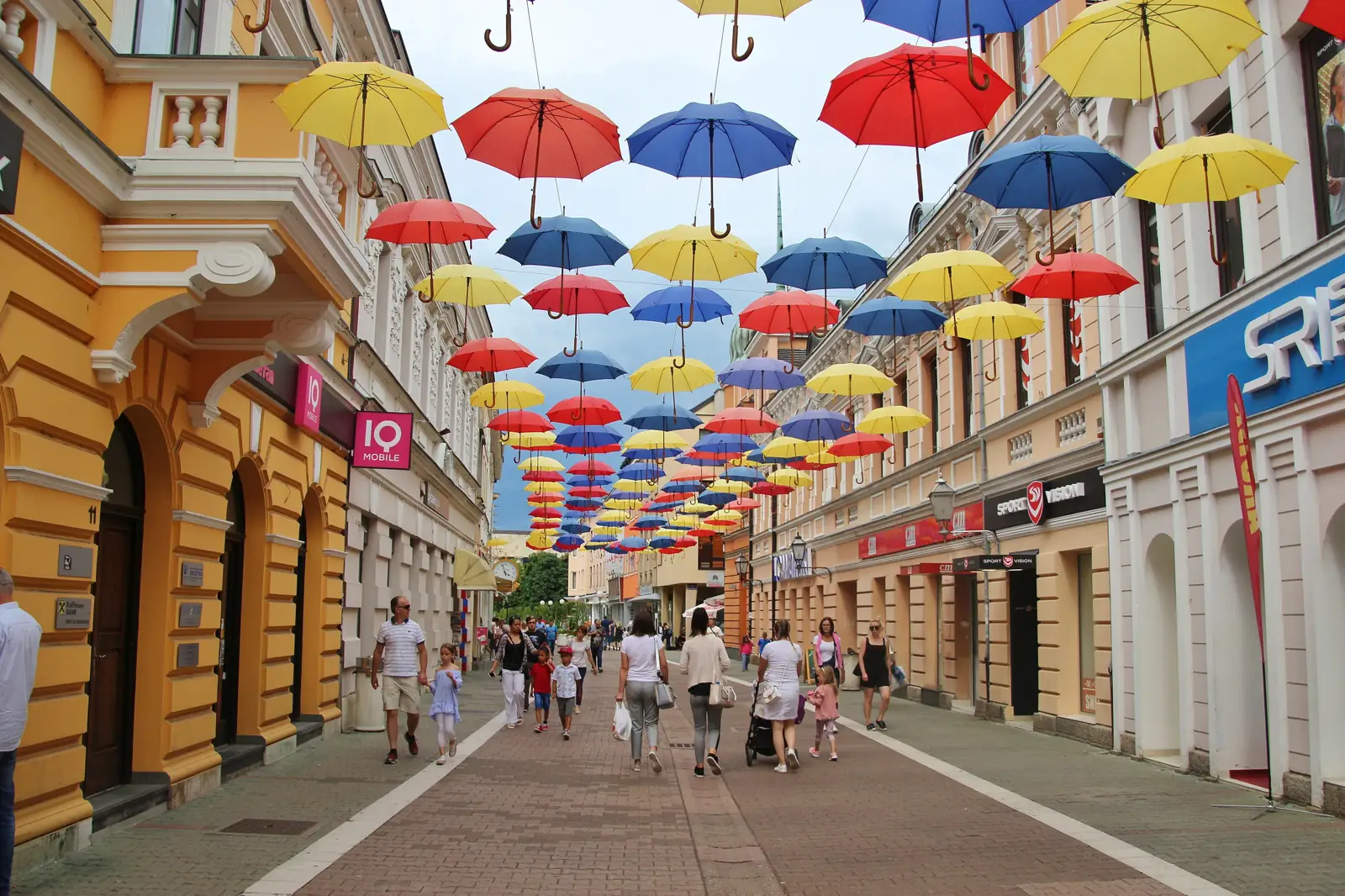
Gospodska street in Banja Luka, with coloured umbrellas strung overheadThe Cathedral of Christ the Saviour in Banja Luka at dusk, seen from above

A city you walk

Banja Luka is flat, leafy and laid out along long avenues of trees, which is why it is called the city of greenery. Almost everything a visitor wants is inside a twenty-minute walk.

The spine is Gospodska, a pedestrian street of pale Austro-Hungarian fronts and café tables. At one end is the cathedral square; at the other, the market and the river.

In the evening the whole street turns into one long promenade.

The main street
Gospodska, traffic-free
End to end
10 minutes
Best time
Early evening

Where it is

1234567

Outline from Natural Earth. Distances are by road and approximate.

Banja Luka is in the north-west, where the Vrbas leaves the mountains for the plain.

Getting to Banja Luka

FromDistanceHowTime
SarajevoAbout 190 kmCar or bus, through Jajce and Travnik3½ to 4 hours
ZagrebAbout 190 kmCar or bus, with a border crossing2½ to 3 hours
JajceAbout 70 kmCar or bus, through the canyon1½ hours
BihaćAbout 105 kmCar or bus2 hours

Banja Luka has its own airport, with a small number of scheduled flights. Distances and times are approximate.

One day in Banja Luka

  1. Kastel

    Walk the ramparts while it is quiet, then coffee on the terrace over the river.

  2. The centre

    Up Gospodska to the cathedral, then across to Ferhadija.

  3. Ćevapi

    The Banja Luka kind, grilled in a block, in flatbread.

  4. The river

    A dajak ride at dusk, past the lit walls.

Planning tips

Where to stay and eat

Where to stay

Hotels and apartments are concentrated around the centre, within walking distance of Gospodska and the river. Prices are lower than in Sarajevo.

What to eat

Banja Luka ćevapi, grilled in blocks of four and served in a soft flatbread with onion. River trout, and pastries from the bakeries. Dinner is eaten late and outdoors in summer.

Around the city

A minaret at the end of the street, a palace lit at dusk and a green river.

The minaret and dome of Ferhadija mosque at the end of a city street
Ferhadija from the streetPhoto: Enes Džafić
The green Vrbas between tree-lined banks in Banja Luka
The Vrbas in the city
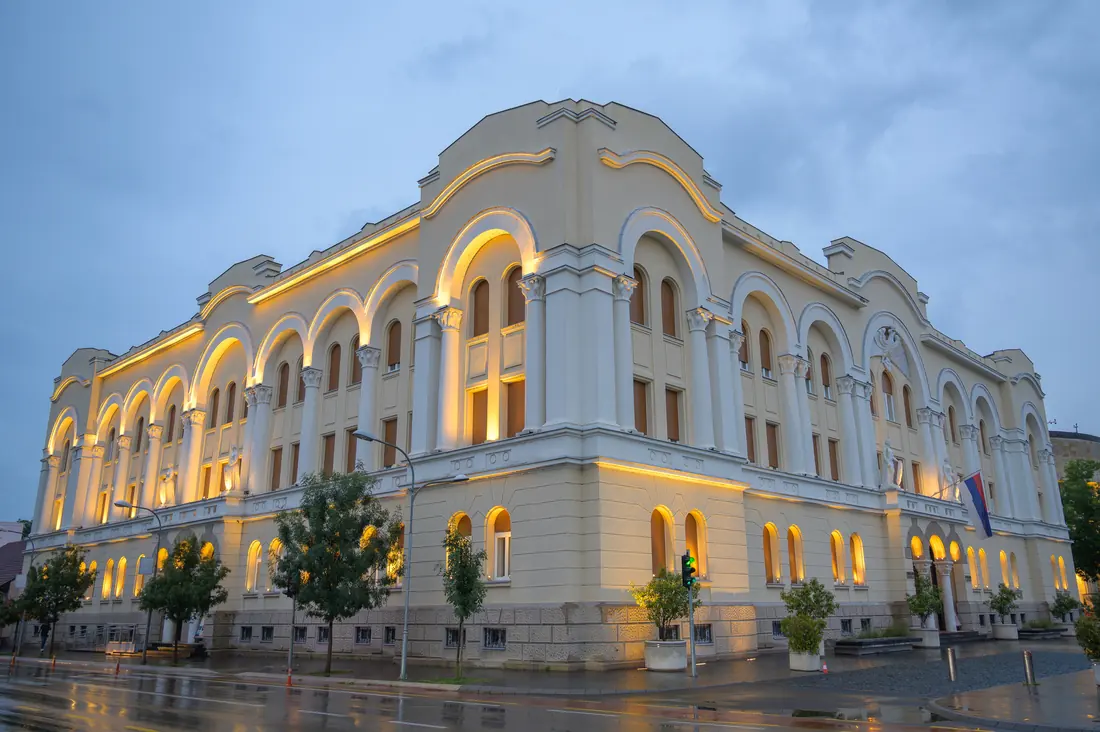
Banski dvor, a cream-coloured palace with arched windows, lit at dusk
Banski dvor
The white memorial on Banj brdo from directly above, ringed by a road and autumn forest
The memorial on Banj brdo, from abovePhoto: Vladimir Tadić

Near Banja Luka

The road south from Banja Luka follows the Vrbas canyon all the way to Jajce.

Questions people ask

What is Banja Luka known for?

Kastel fortress on the Vrbas river, its tree-lined avenues, the traditional dajak boats that are pushed with a pole, and its own style of ćevapi.

Is Banja Luka worth visiting?

Yes, particularly in summer. It is a relaxed, green city with a riverside fortress, a lively pedestrian centre and easy access to rafting in the Vrbas canyon.

What is a dajak boat?

A long, narrow, flat-bottomed wooden boat unique to the Vrbas at Banja Luka. It is driven by a boatman standing at the stern, who pushes a four-metre pole with a steel spike against the riverbed. The pole itself is called the dajak.

How long do you need in Banja Luka?

One day covers the fortress, the centre and a boat ride. Add a second day for rafting or the Vrbas canyon.

How do you get to Banja Luka from Sarajevo?

By car or bus, about 190 km through Travnik and Jajce, in three and a half to four hours.

What is Kastel?

A fortress on the left bank of the Vrbas in the centre of Banja Luka, and the oldest monument in the city. It has no ticket office and is used as a park and summer stage.

When is the best time to visit Banja Luka?

May to September. July is the liveliest month, with the summer festival on the river.

Banja Luka is an extra day beyond the seven-day route, north from Jajce.

See the seven-day route

Photographs on this page

Photo credits

Banja Luka

PhotographPhotographerSource and licence
The cathedral at dusk; Gospodska streetNot named on the filesSupplied by Visit Bosnia and Herzegovina
Dajak below KastelСаша КнежићWikimedia Commons, CC BY-SA 4.0
Boatmen racingCikajocaWikimedia Commons, CC BY-SA 4.0
Kastel on the riverArhistefoBLWikimedia Commons, CC0
Kastel towerVasyatka1Wikimedia Commons, CC BY-SA 4.0
CathedralТиЈокWikimedia Commons, CC BY 4.0
Ferhadija mosqueSamirzahirovicWikimedia Commons, CC BY-SA 4.0
Gospodska streetBudzak2Wikimedia Commons, CC BY-SA 4.0
Nearby thumbnailsSee the home page creditsVarious
The city from the hillNot named on the fileSupplied by Visit Bosnia and Herzegovina
Ferhadija from the streetEnes DžafićSupplied by Visit Bosnia and Herzegovina
Banski dvorNot named on the fileSupplied by Visit Bosnia and Herzegovina
The memorial on Banj brdoVladimir TadićSupplied by Visit Bosnia and Herzegovina
The Vrbas in the cityNot named on the fileSupplied by Visit Bosnia and Herzegovina

All credits for the site are on the photo credits page.

Menu