Visit BiH
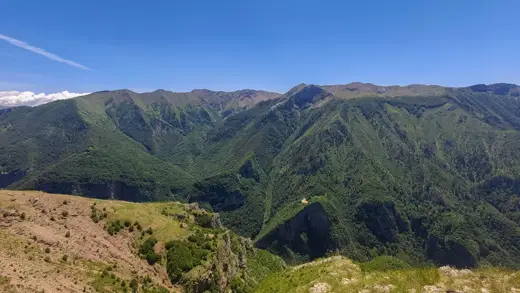
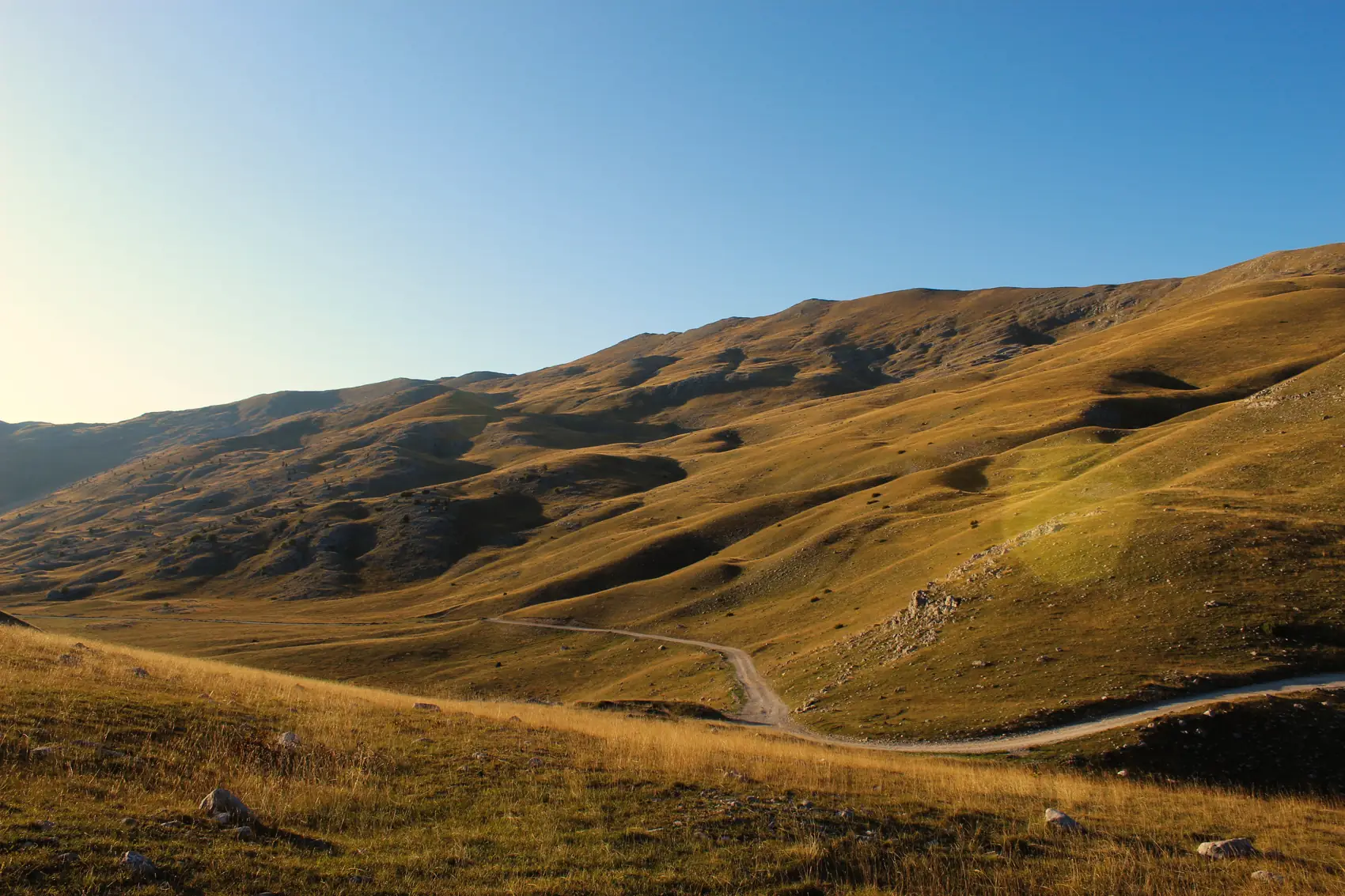
Rolling grassy uplands on Bjelašnica in warm evening light

Bjelašnica

  1. Home
  2. Places
  3. Sarajevo region
  4. Bjelašnica

The highest of Sarajevo’s Olympic mountains, an hour from the city.

2,067mHigh country

Bjelašnica in brief. Bjelašnica is a mountain 25 km south-west of Sarajevo, rising to 2,067 metres. It hosted the men’s alpine skiing at the 1984 Winter Olympics, and its Olympic downhill run, with a drop of about 800 metres, is still the main piste. The ski centre at Babin Do has 14.3 km of runs and eight lifts, and is open from about mid-December to early April, with night skiing. In summer the mountain is a high plateau of pasture and stone villages, with marked trails to Umoljani and Lukomir.

The big one

Of the mountains round Sarajevo, Bjelašnica is the highest and the hardest. Its summit is a bald dome with a weather station on it, wrapped in cloud and scoured by wind for much of the year. The name means something like “the white one”.

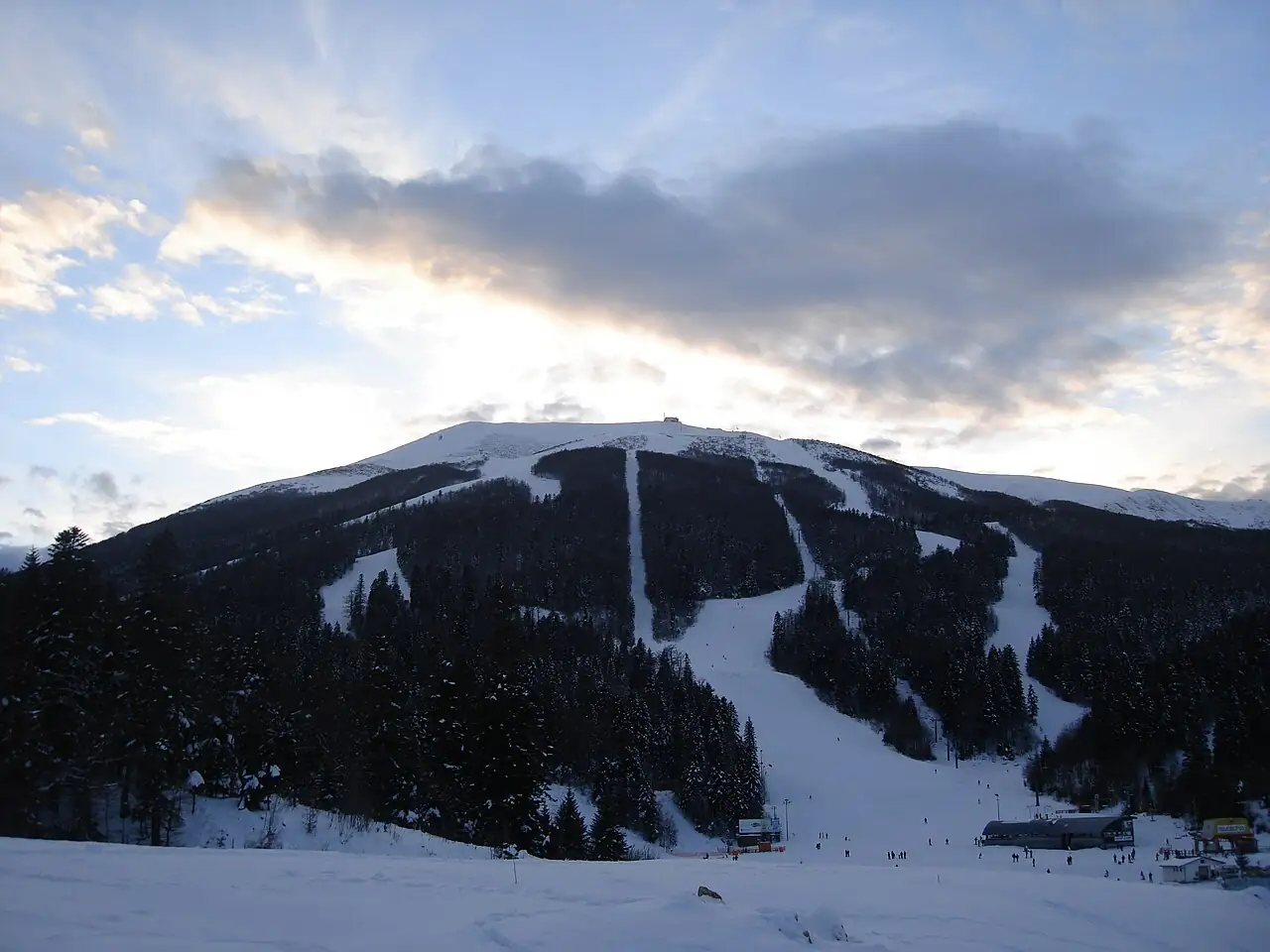
In 1984 the best skiers in the world raced down it. The lifts and the runs built for them are still the heart of a ski centre that feels more serious, and less like a resort, than Jahorina across the valley: steeper, emptier and more exposed to the weather.

Behind the summit the mountain does not fall away. It levels into an enormous plateau, dotted with shepherd villages, that runs on to the deepest canyon in the country.
What it is
An Olympic ski mountain
Summit
2,067 m
Ski area
14.3 km of runs and 8 lifts, from 1,267 to 2,067 m
Olympic downhill
803 m of drop in 3,066 m
Ski season
About December to April
Walking season
June to October
From Sarajevo
About 25 km

One minute, forty-five

  1. 16 February 1984A blizzard has held the race up for a week. Sixty-one men wait at a start hut on the very top of the mountain, 2,076 metres up.
  2. Out of the gateThe top is steep and fast. The course drops away through thirty-four gates.
  3. The long glideThe middle of the run is flatter and straighter than a downhill usually is. A young American, Bill Johnson, is the best glider in the field, and he said beforehand that he would win.
  4. 1:45.59He does, by twenty-seven hundredths of a second, at an average of more than 104 kilometres an hour. He is the first skier from outside the Alps to win the Olympic downhill.
  5. Now youThe Olympic run is still the main piste on the mountain. You will take rather longer.

What to do on Bjelašnica

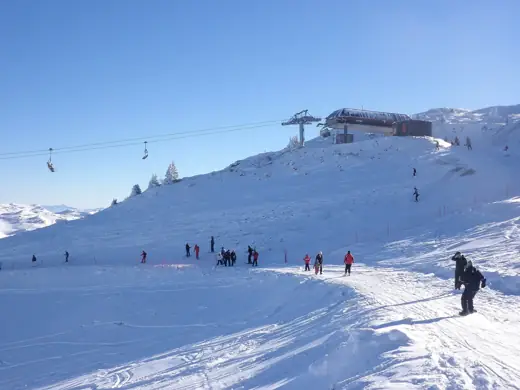
  • Ski runs on Bjelašnica at dusk

    Ski the Olympic run

    The men’s downhill course of 1984 runs from near the summit to Babin Do. It is long, wide and fast. The mountain is hardest at the top, intermediate in the middle and easy lower down, with 14.3 km of runs in all. The lower slopes are floodlit three evenings a week.

    Season
    About December to April
    Level
    Intermediate to advanced
    Day pass
    In 2026/27: adults 69 KM, or 65 KM bought online. Children aged 6 to 12 pay 44 KM, or 41 KM online.
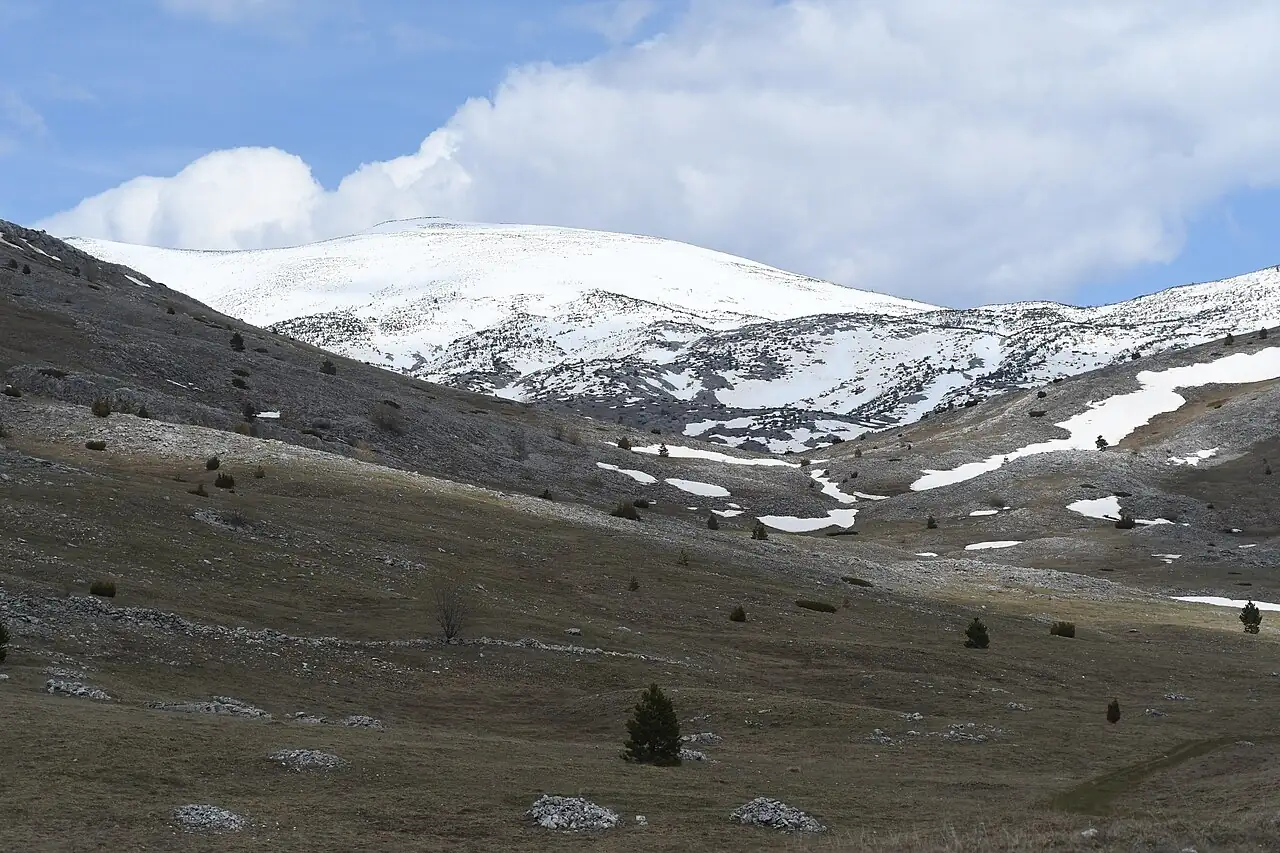
  • The rounded summits of Bjelašnica

    Go to the top

    A chairlift climbs most of the way. From the upper station it is a short walk to the summit and its weather station, with a view on a clear day to the mountains of Montenegro.

    Height
    2,067 m
    On foot from Babin Do
    About 2½ hours
    Weather
    Often windy; go prepared
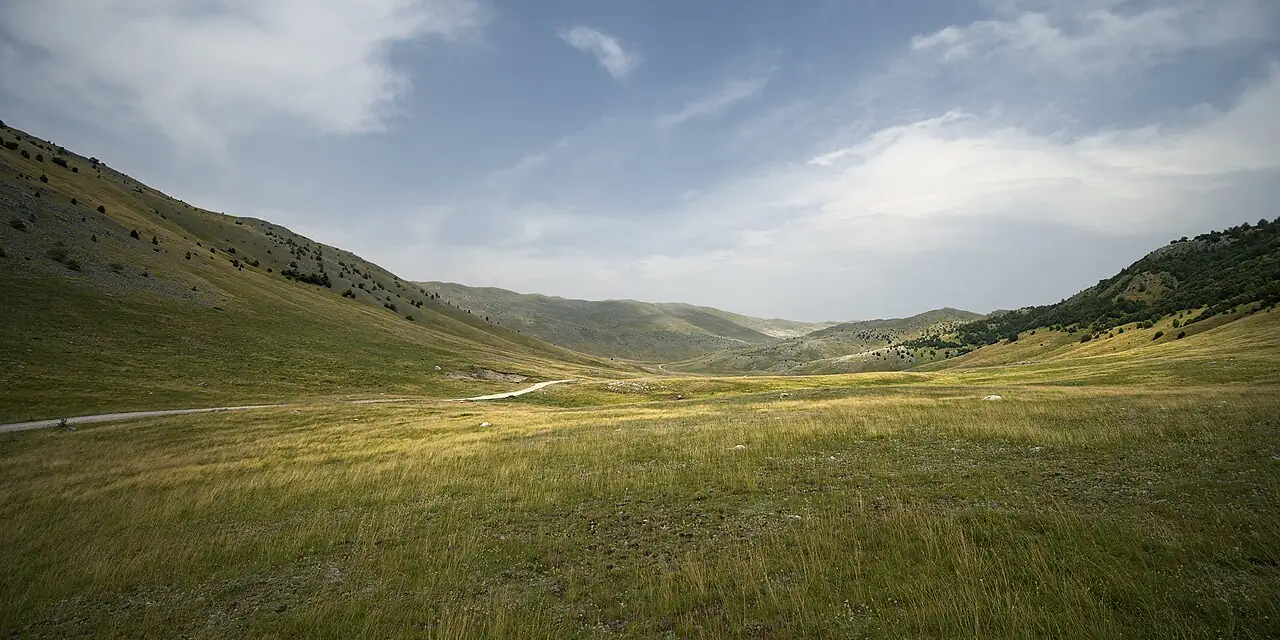
  • The Bjelašnica plateau in summer

    Walk the plateau

    Drive or walk over the shoulder of the mountain to the villages on the southern side. The trail from Umoljani to Lukomir, along the canyon rim, is the classic.

    Season
    June to October
    Time needed
    Half a day to a full day
    Level
    Easy to moderate
  • The Olympic ski jumps on Igman

    See the Olympic ski jumps

    The abandoned jumps on Igman, a short drive away. Atmospheric, and oddly moving.

    Time needed
    An hour
    From Babin Do
    About 10 km
    Entrance
    Seen from the road and the outrun below. Do not climb the jumps or the judges’ tower.
  • Ride it

    In summer the plateau’s gravel roads and old shepherd tracks make fine mountain-bike routes, with long views and almost no traffic.

    Season
    June to October
    Terrain
    Gravel and track
    Hire
    At Babin Do, in summer
A wide, grassy valley on the Bjelašnica plateau under a heavy skyRounded snow-streaked summits above a brown plateau on Bjelašnica

The other half of the year

When the snow goes, Bjelašnica turns into something quite different: a vast, treeless upland of grass and limestone, rolling away south for twenty kilometres to the rim of the Rakitnica canyon.

Shepherds bring their flocks up. Stone villages that stood empty all winter fill again. Marked trails cross the plateau from one to the next, and you can walk all day and meet more sheep than people.

It is the easiest big-mountain walking within reach of Sarajevo.

Walking season
June to October
Highest point
2,067 m
Best walk
Umoljani to Lukomir

Good to know

Ski season
Mid-December to early April, depending on snow
Day pass
In 2026/27: adults 69 KM, or 65 KM online. Children aged 6 to 12 pay 44 KM, or 41 KM online. Parking is charged on top
Night skiing
On set evenings each week. The resort announces which before the season
Weather
The most exposed mountain near Sarajevo. Wind closes the upper lifts quite often
Beginners
There are nursery slopes, but Jahorina is gentler and has more of them
Road
Cleared in winter; carry snow chains
Summer
The road to Babin Do is surfaced. Beyond it, towards the villages, ask about the surface before you take an ordinary car
Off the trails
Landmines may remain on Bjelašnica and Igman away from the used paths. Walk with a local guide, or on a route the municipality confirms is open. Obey every warning sign, take no shortcuts across country and stay out of abandoned buildings. A marked trail is not proof that the ground beside it is clear
Phone signal
Good at Babin Do, patchy on the plateau
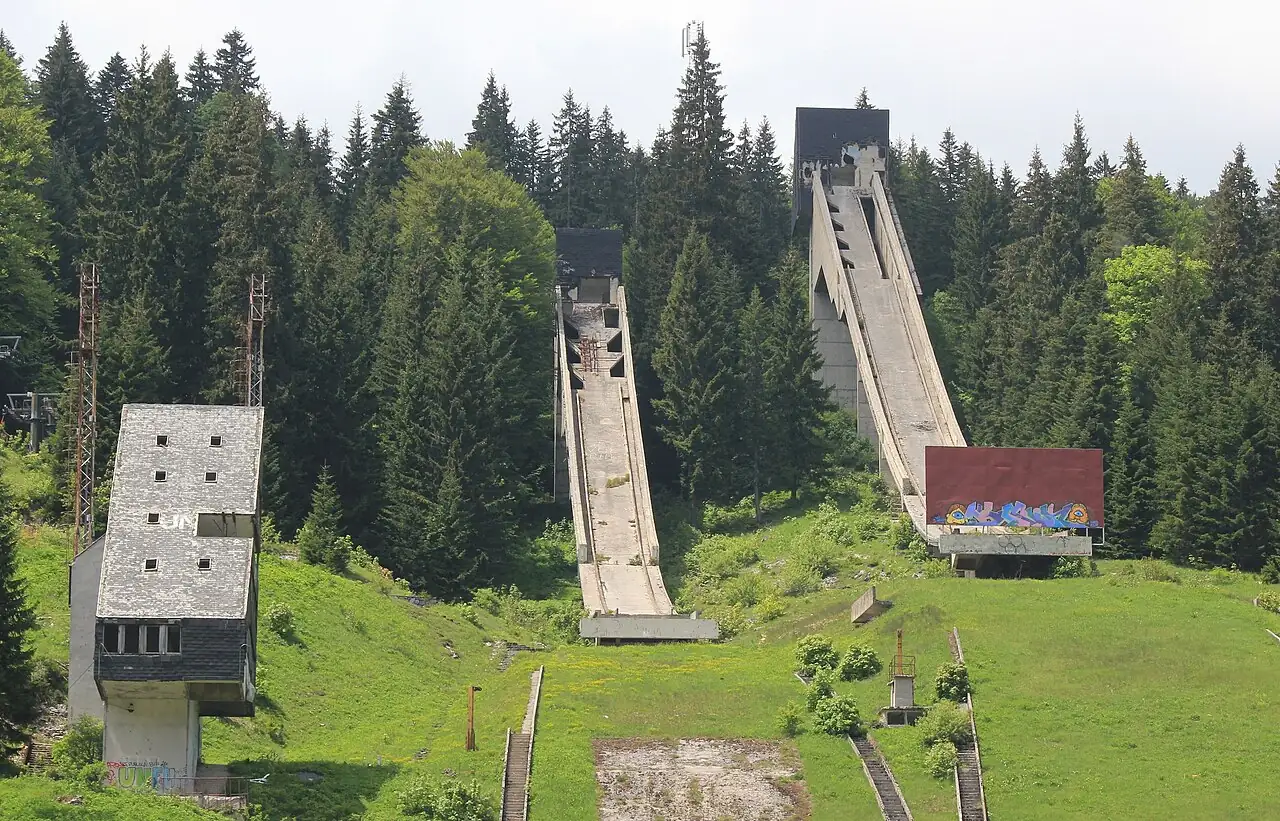
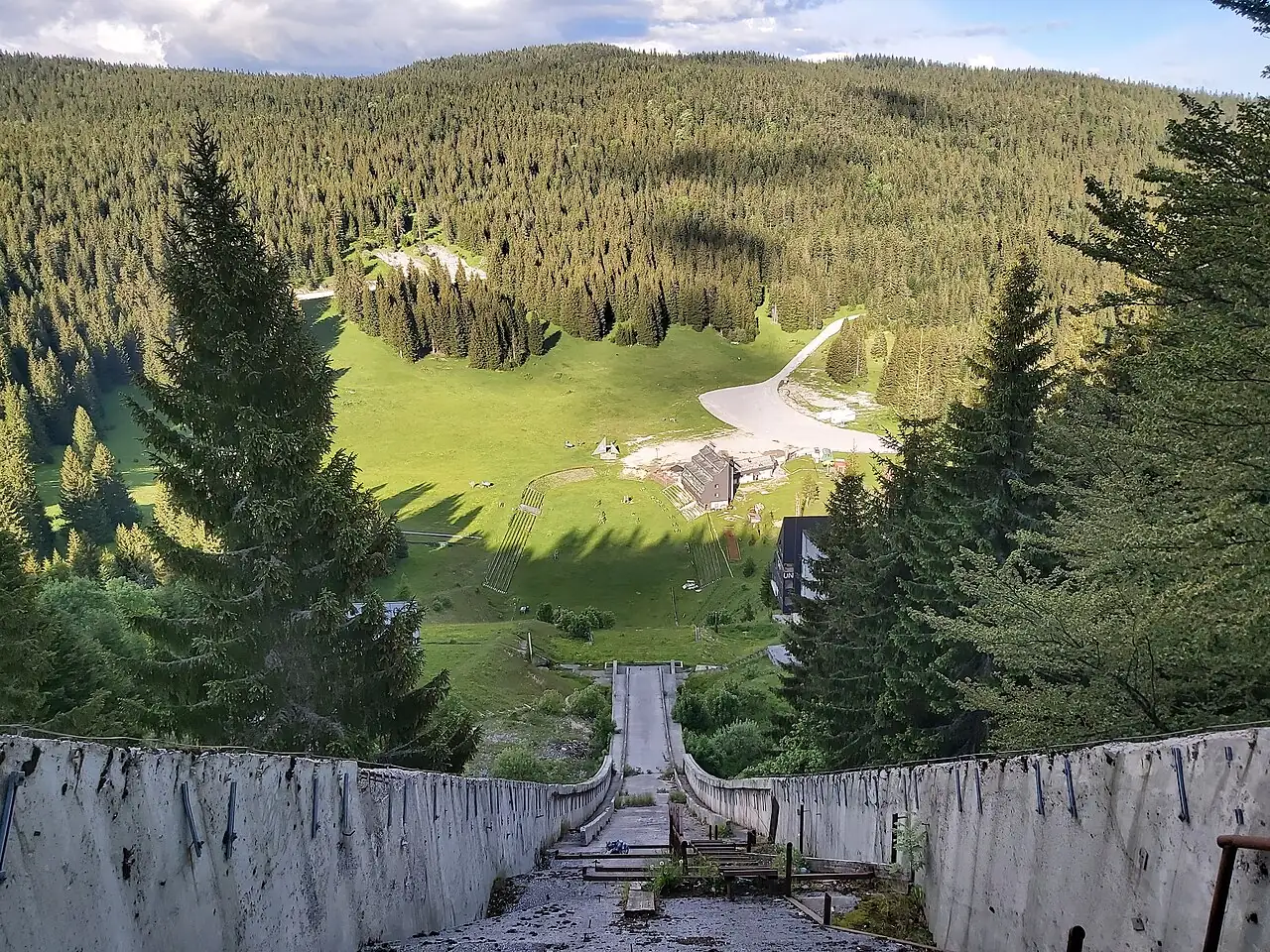
Two concrete Olympic ski jumps rising out of the forest on IgmanThe view down an abandoned ski jump on Igman to a clearing in the forest

Igman next door

Bjelašnica’s lower neighbour, Igman, is a plateau of dense spruce forest. In 1984 it held the Olympic ski jumping and cross-country events.

The two concrete jumps are still there, at a clearing called Malo polje, with the judges’ tower between them. They have not been used for decades. You can walk up the steps beside them and look down the in-run.

In winter there are easy, sheltered cross-country trails through the trees, and in summer it is the coolest picnic spot near the city.

From the ski centre
About 10 km
Time needed
An hour
Entrance
Free

Where it is

12345

Outline from Natural Earth. Distances are by road and approximate.

Bjelašnica is south-west of Sarajevo, beyond Igman, on the road to the highland villages.

Getting to Bjelašnica

FromDistanceHowTime
SarajevoAbout 25 kmCar, taxi or seasonal bus40 to 50 minutes
Sarajevo airportAbout 25 kmCar or taxi40 minutes
LukomirAbout 20 kmCar, on gravel45 minutes
MostarAbout 130 kmCar, through Sarajevo or Konjic2½ hours

In the ski season buses run from Sarajevo to Babin Do. Distances and times are approximate.

A day on Bjelašnica

  1. The top lifts

    Go high first, before the wind gets up.

  2. The Olympic run

    Top to bottom, as many times as your legs allow.

  3. Igman

    A short drive to the ski jumps, and coffee in the forest.

  4. The plateau

    Over the mountain to Umoljani, and the walk to Lukomir.

Planning tips

Where to stay and eat

Where to stay

Hotels and apartments are grouped at Babin Do, at the foot of the lifts, with more in the villages below. Sarajevo is close enough to ski by day and sleep in the city.

What to eat

Mountain cooking at the foot of the slopes and in the villages: bean soup, grilled meats, pies, and hot drinks to thaw out with.

Near Bjelašnica

The two Olympic ski mountains face each other across the Sarajevo valley.

Questions people ask

How high is Bjelašnica?

2,067 metres at the summit. The ski centre at Babin Do is at about 1,270 metres.

Was Bjelašnica used in the Olympics?

Yes. It hosted the men’s alpine skiing events at the 1984 Sarajevo Winter Olympics: the downhill, the giant slalom and the slalom. The women’s events were on Jahorina.

Who won the Olympic downhill on Bjelašnica?

Bill Johnson of the United States, on 16 February 1984, in 1 minute 45.59 seconds. He was the first skier from outside the Alps to win the Olympic downhill.

How far is Bjelašnica from Sarajevo?

About 25 km, or 40 to 50 minutes by road.

Is Bjelašnica or Jahorina better for skiing?

Bjelašnica is higher, steeper and quieter, and suits confident skiers. Jahorina has more runs, more facilities and gentler slopes, and suits beginners and families.

Can you hike on Bjelašnica in summer?

Yes. From June to October marked trails cross the plateau behind the summit and link the highland villages, including Umoljani and Lukomir.

Is it safe to hike on Bjelašnica and Igman?

Only on a route a local guide or the municipality confirms is open. Landmines may remain away from the used paths, and a marked trail is not proof that the ground beside it is clear. The full advice is under Good to know.

Bjelašnica and Lukomir are alternatives for day five of the seven-day route, replacing the Trebević and Jahorina outing.

See the seven-day route

Photographs on this page

Photo credits

Bjelašnica

PhotographPhotographerSource and licence
The uplands in summer, main pictureNot named on the fileSupplied by Visit Bosnia and Herzegovina
Ski runs at duskXe0usWikimedia Commons, CC BY-SA 3.0
Snow-streaked summitsA81tWikimedia Commons, CC BY-SA 4.0
Plateau in summerMiha PečeWikimedia Commons, CC BY-SA 4.0
Ski jumpsJulian NyčaWikimedia Commons, CC BY-SA 3.0
View from the jumpNiegodzisieWikimedia Commons, CC BY-SA 4.0
Nearby thumbnailsSee the home page creditsVarious

All credits for the site are on the photo credits page.

Menu