Visit BiH
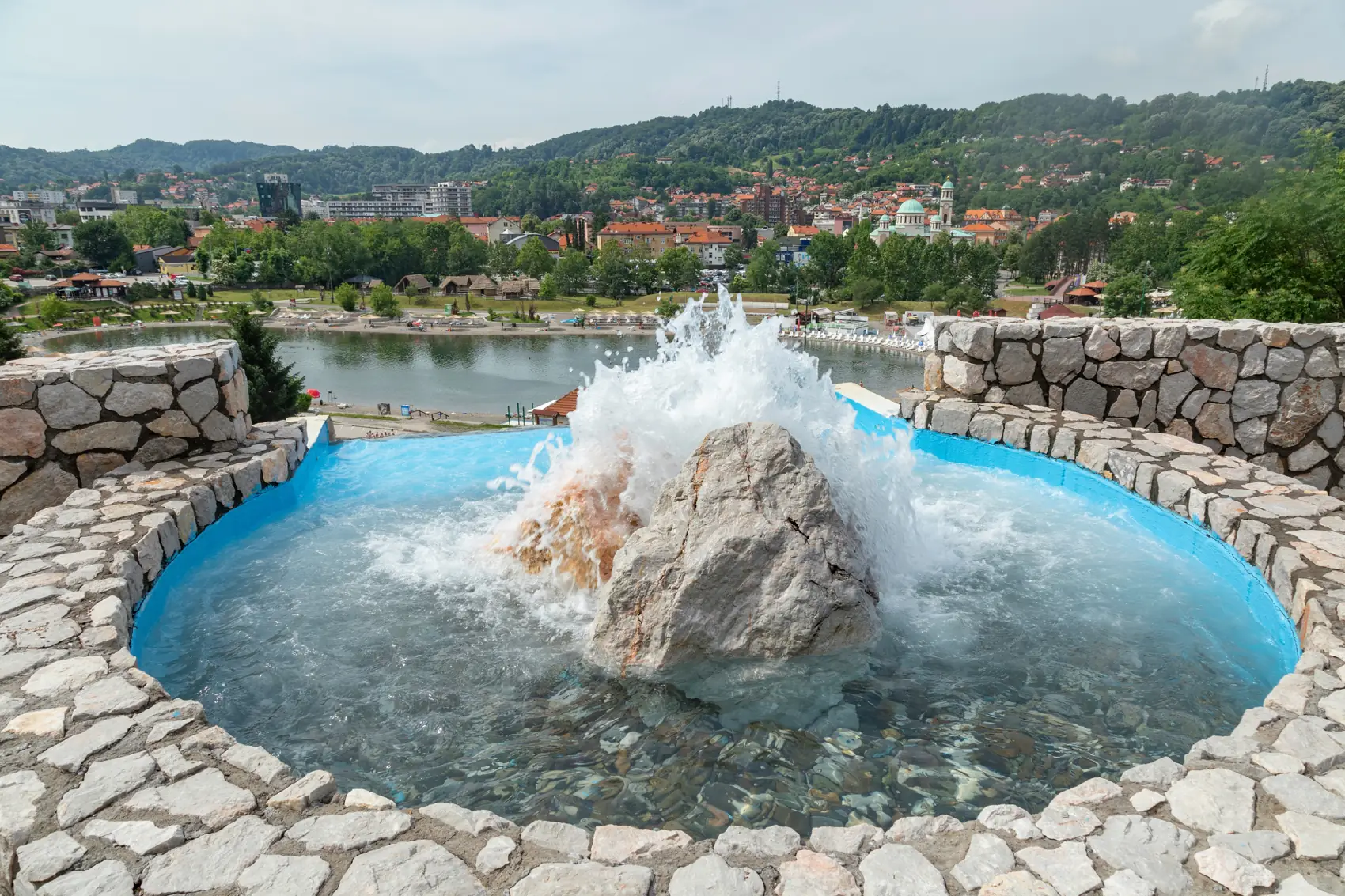
A salt fountain beside the Pannonian lakes in the middle of Tuzla

Tuzla

  1. Home
  2. Places
  3. North-east Bosnia
  4. Tuzla

A city built on salt, with a seaside in the middle of it.

245mRiver country

Tuzla in brief. Tuzla is the third largest city in Bosnia and Herzegovina, in the north-east of the country. It stands on huge deposits of rock salt left by an ancient sea, and has traded in salt for about six thousand years. Its great attraction is the Pannonian Lakes: three salt-water lakes with sandy beaches in the city centre, promoted by the city as the only ones of their kind in Europe, open from May to October. The city has its own airport. Allow a day.

Salt, all the way down

Everything about Tuzla comes back to salt. The name is from the Turkish word for it. The Romans called the place after it, and so did the medieval Bosnians. People were boiling brine here in clay pots before the pyramids were built, which makes this one of the oldest continuously lived-in places in Europe.

The salt made the city and then very nearly unmade it. A century of industrial pumping hollowed out the ground until the centre began to sink, and much of the old town was lost.

What Tuzla did next is the reason to come. It stopped the pumping, filled the hollow with salt water and built a seaside. Today it is a friendly, unshowy, lived-in city with a beach where its heart used to be.
What it is
The country’s third city
Known for
Salt, and salt lakes
Height
245 m
Lakes open
May to October
Lived in for
About 6,000 years
Time needed
One day
From Sarajevo
About 120 km

The city that sank into its own salt

  1. A sea, ten million years agoThis valley lay under the Pannonian Sea, a warm, shallow sea that covered much of central Europe.
  2. It left its salt behindWhen the sea dried up it left a thick bed of rock salt under the ground, and salt water trapped above it.
  3. Six thousand years of saltStone Age people boiled the brine down in clay pots. A town grew on the trade. Its name comes from the Turkish word for salt.
  4. The city sinksIn the twentieth century the brine was pumped out on an industrial scale. With nothing left to hold it up, the centre fell: twelve metres in places, more than a metre in 1983 alone. Whole streets had to be pulled down.
  5. So they made a beachPumping under the centre was stopped. In 2003 the city filled the hollow with salt water, laid sand around it, and opened a set of salt lakes with beaches in the middle of town.

What to do in Tuzla

  • Swimmers and sunbathers at the salt lake

    Swim in the salt lakes

    Three lakes with gently shelving sand, lifeguards, slides for children and loungers for hire. The water is warm, buoyant and properly salty. Go early on summer weekends.

    Season
    May to October
    Capacity
    About 17,000 people
    Entry
    In the 2026 main season, 1 June to 31 August, an adult paid 7 KM on weekdays and 9 KM at weekends.
  • The Stone Age village

    Beside the lakes is a reconstructed village of houses on stilts, of the kind that stood here about six thousand years ago, with a small museum on how the first people of Tuzla made salt.

    Time needed
    45 minutes
    Where
    In the lakes complex
    Good for
    Children
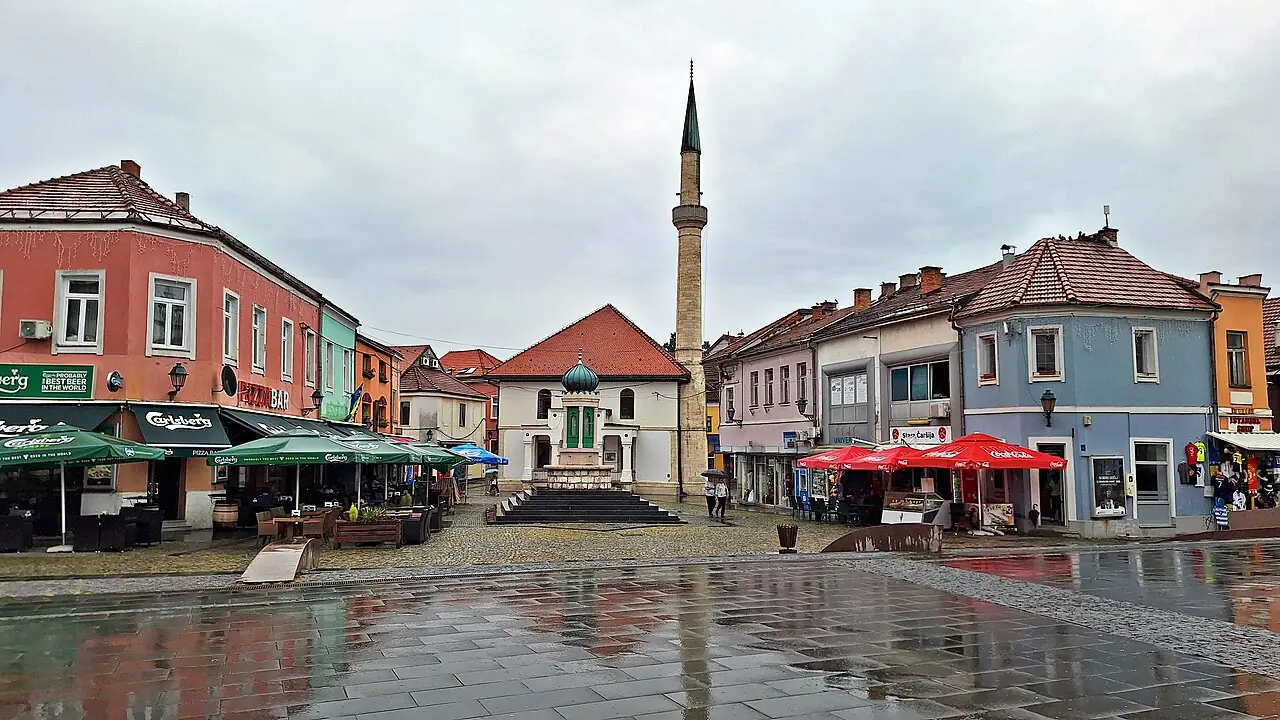
  • Freedom Square, with its coloured houses and a minaret

    Freedom Square and the Kapija

    Freedom Square is a place for coffee and everyday city life. Nearby Kapija is also a place of remembrance: on 25 May 1995 a shell killed 71 people here. Pause at the memorial.

    Time needed
    An hour
    Best time
    Early evening
    Entrance
    A public square, open at any hour.
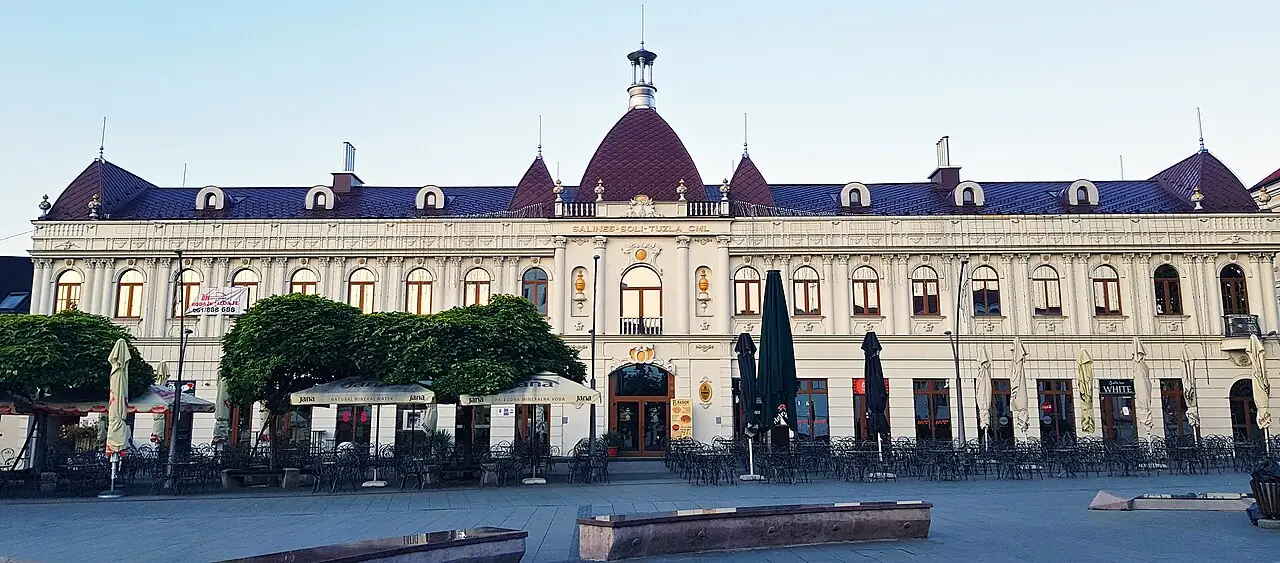
  • A grand building on Salt Square

    Salt Square

    An open-air display on the site of the old wells, showing the wooden gear and pans once used to draw and boil brine.

    Time needed
    20 minutes
    From Freedom Square
    2 minutes on foot
    Entrance
    A public square, open at any hour.
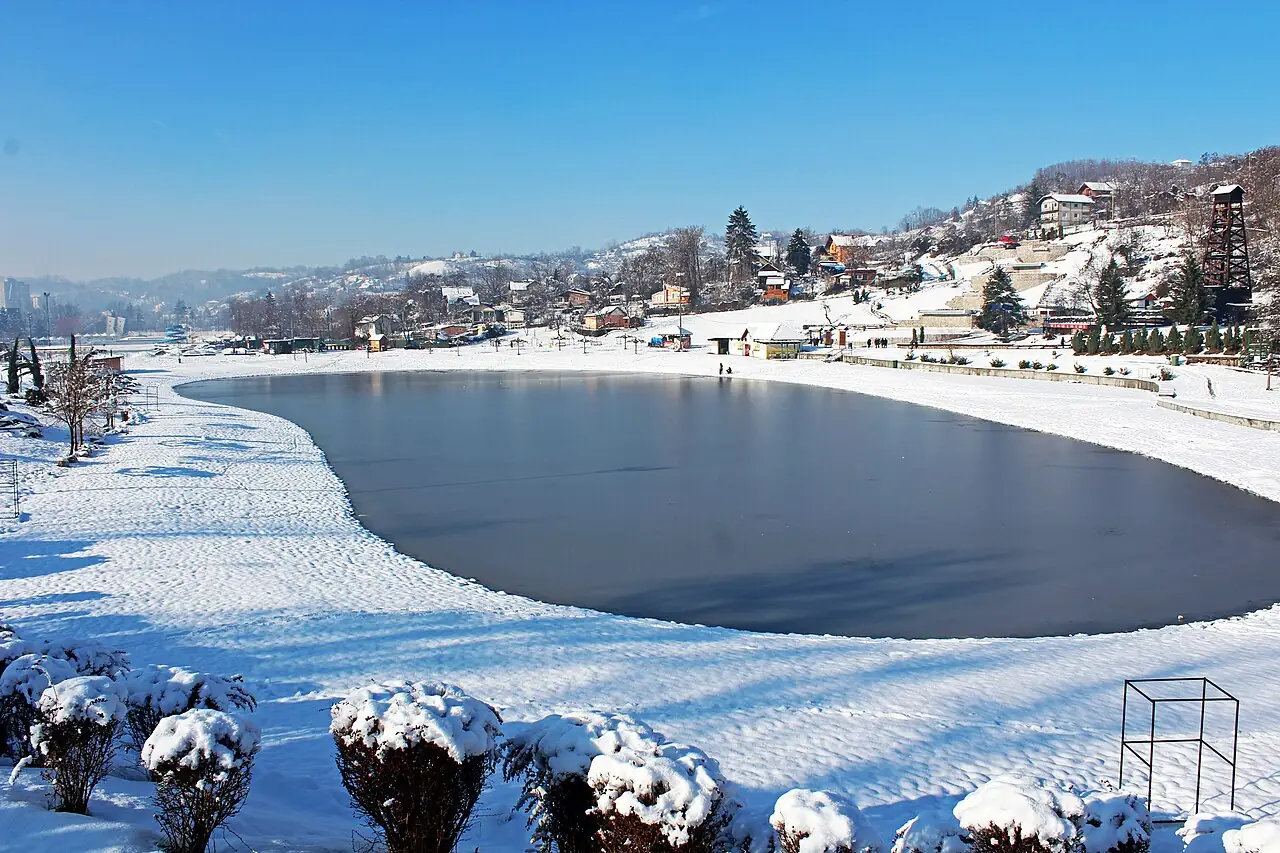
  • The salt lake under snow

    Come in winter

    The lakes close for swimming, but an ice rink opens beside them, and the salt-water cascades nearby are used all year for breathing in the salty air.

    Ice rink
    In winter
    Salt cascades
    All year
    Out of season
    Open to walk round
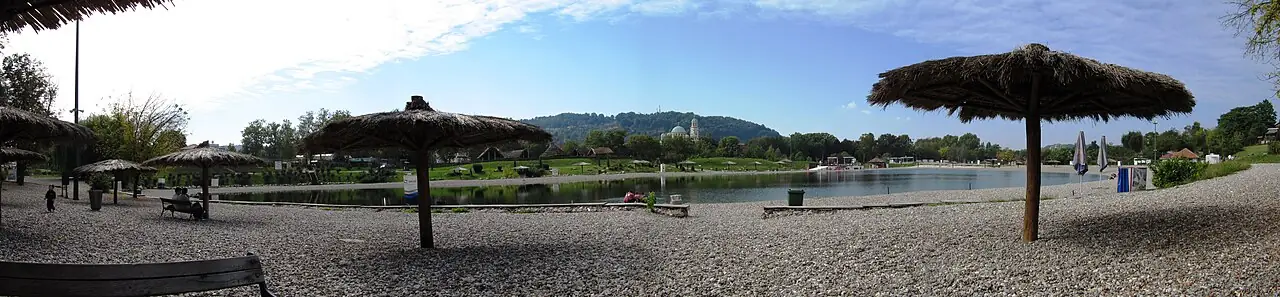
A sandy beach with thatched umbrellas beside a salt lake in the middle of TuzlaThe same lake in winter, dark water ringed with snow

A beach four hundred kilometres from the sea

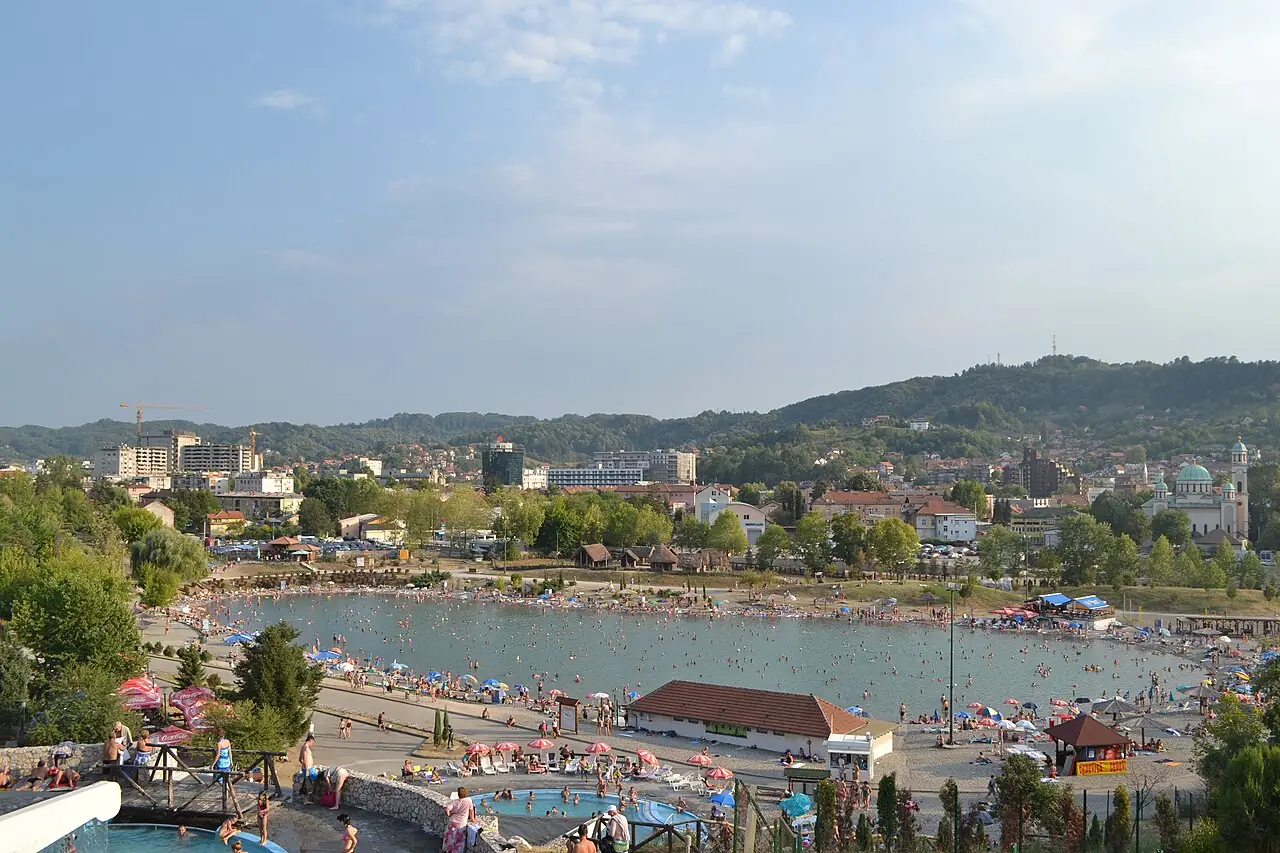
In the middle of the city, five minutes’ walk from the main square, are three lakes of salt water with sand beaches, sun loungers and thatched umbrellas.

The water is as salty as the sea, because it is the sea, ten million years late. It is pumped up from the salt beds under the hills and mixed until it matches the Adriatic. People come to swim, and they also come for their joints and their lungs.

On a hot weekend the whole of north-east Bosnia is here.

Lakes
Three, opened 2003, 2008 and 2012
Season
May to October
Visitors
About 350,000 a year

Good to know

Lakes season
May to October, weather permitting
Entry to the lakes
In the 2026 main season, 1 June to 31 August, an adult paid 7 KM on weekdays and 9 KM at weekends
Busiest
Weekends in July and August. Come on a weekday or arrive early
The water
As salty as the sea; fine for children
On foot
The lakes, the squares and the old town are within 10 minutes of each other
Airport
About 10 km from the city, with low-cost flights to several European cities
Money
Convertible marks
Step-free access
The squares and the lakes complex are level
In winter
Cold; the lakes are closed for swimming
Freedom Square in Tuzla, ringed with low coloured houses and a slender minaretA grand Austro-Hungarian building on Tuzla’s Salt Square

Two squares

Freedom Square is the largest in the country: a wide stone floor ringed with low houses in sweet-shop colours, a fountain in the middle and café tables on every side. Most of it was rebuilt after the ground gave way beneath the old centre.

A few steps away is Salt Square, laid out on the spot where the town’s salt wells once stood. A small open-air display shows how brine was drawn up and boiled down.

Between them is Kapija, a meeting place and a site of remembrance.

Freedom Square
The country’s largest
Salt Square
On the site of the old wells
Between them
A two-minute walk

Where it is

12345

Outline from Natural Earth. Distances are by road and approximate.

Tuzla is in the north-east, in rolling hill country between the Sava plain and the mountains.

Getting to Tuzla

FromDistanceHowTime
SarajevoAbout 120 kmCar or bus2 to 2½ hours
Banja LukaAbout 170 kmCar or bus3 hours
BelgradeAbout 200 kmCar or bus, with a border crossing3½ hours
Tuzla airportAbout 10 kmTaxi or bus15 to 20 minutes

Distances and times are approximate.

One day in Tuzla

  1. The lakes

    Be there when they open. Swim, then the stilt village next door.

  2. In the old town

    Five minutes’ walk, on or near Freedom Square.

  3. The squares

    Salt Square, the Kapija, and the pedestrian streets.

  4. Back to the square

    The whole city comes out to walk.

Planning tips

Where to stay and eat

Where to stay

Hotels and apartments are clustered around the centre and the lakes, all within walking distance of both. Book ahead for July and August weekends.

What to eat

Grilled meats, pies and stews, as everywhere in the country, in the restaurants around Freedom Square and the old town.

Near Tuzla

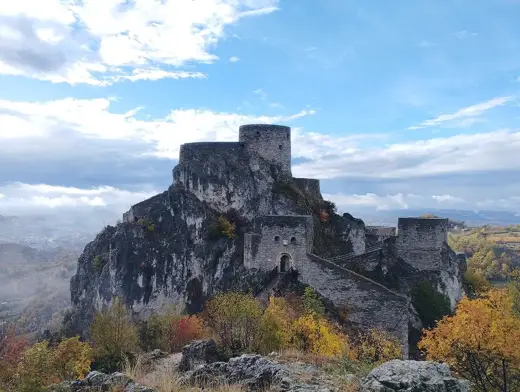
Tuzla is the natural base for the north-east: the castles of Srebrenik and Gradačac are both under an hour away.

Questions people ask

What is Tuzla known for?

Salt. The city stands on deposits of rock salt left by an ancient sea, and is home to the Pannonian Lakes, three salt-water lakes with beaches in the city centre, promoted by the city as the only ones of their kind in Europe.

Can you swim in the salt lakes in Tuzla?

Yes, from May to October. There are three lakes with sandy beaches, lifeguards and facilities. The water is about as salty as the sea.

Why does Tuzla have salt lakes?

About ten million years ago the area lay under the Pannonian Sea, which left thick beds of salt when it dried up. The lakes are filled with salt water drawn from those deposits. The first opened in 2003.

Is Tuzla sinking?

Parts of the centre sank by as much as twelve metres during the twentieth century, because brine was being pumped out from beneath the city. That pumping has stopped.

Is Tuzla worth visiting?

Yes, especially in summer and especially with children. The salt lakes are unlike anything else in the country, and the city centre is pleasant and compact.

How do you get to Tuzla?

By car or bus from Sarajevo, about 120 km, in two to two and a half hours. Tuzla also has its own international airport, about 10 km from the city.

How old is Tuzla?

People have lived here continuously for about six thousand years, drawn by the salt springs. It is one of the oldest continuously inhabited places in Europe.

Tuzla is an extra day beyond the seven-day route, north-east from Sarajevo.

See the seven-day route

Photographs on this page

Photo credits

Tuzla

PhotographPhotographerSource and licence
The fountain by the lakes, main pictureNot named on the fileSupplied by Visit Bosnia and Herzegovina
Lake in summerEdinwikiWikimedia Commons, CC BY-SA 3.0
Lake in winterKalyEVWikimedia Commons, CC BY-SA 4.0
Freedom SquareApokarWikimedia Commons, CC BY-SA 4.0
Salt SquareFelkyWikimedia Commons, CC BY-SA 4.0
Beach panoramaclickmeWikimedia Commons, CC BY-SA 3.0
Nearby thumbnailsSee the home page creditsVarious

All credits for the site are on the photo credits page.

Menu