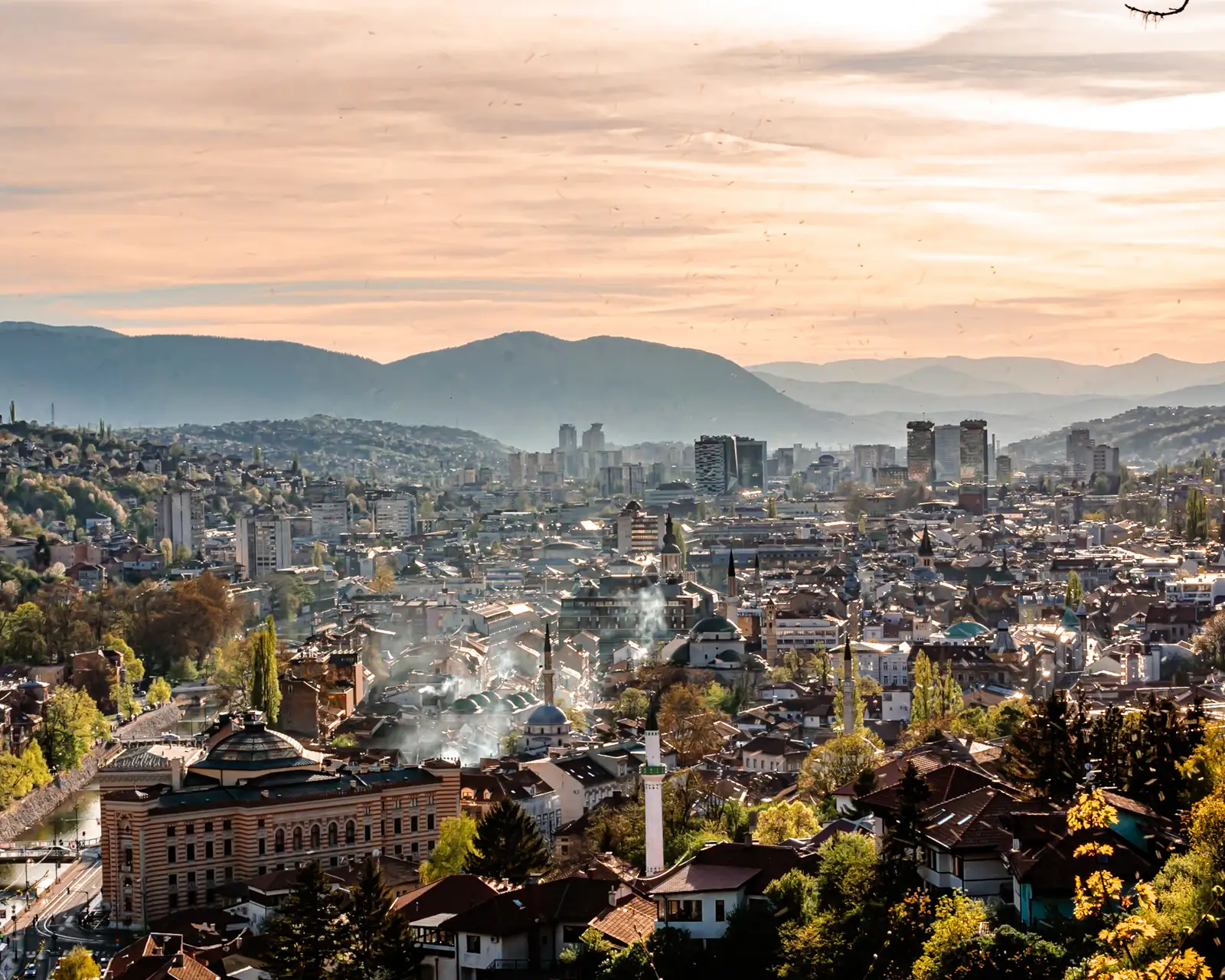
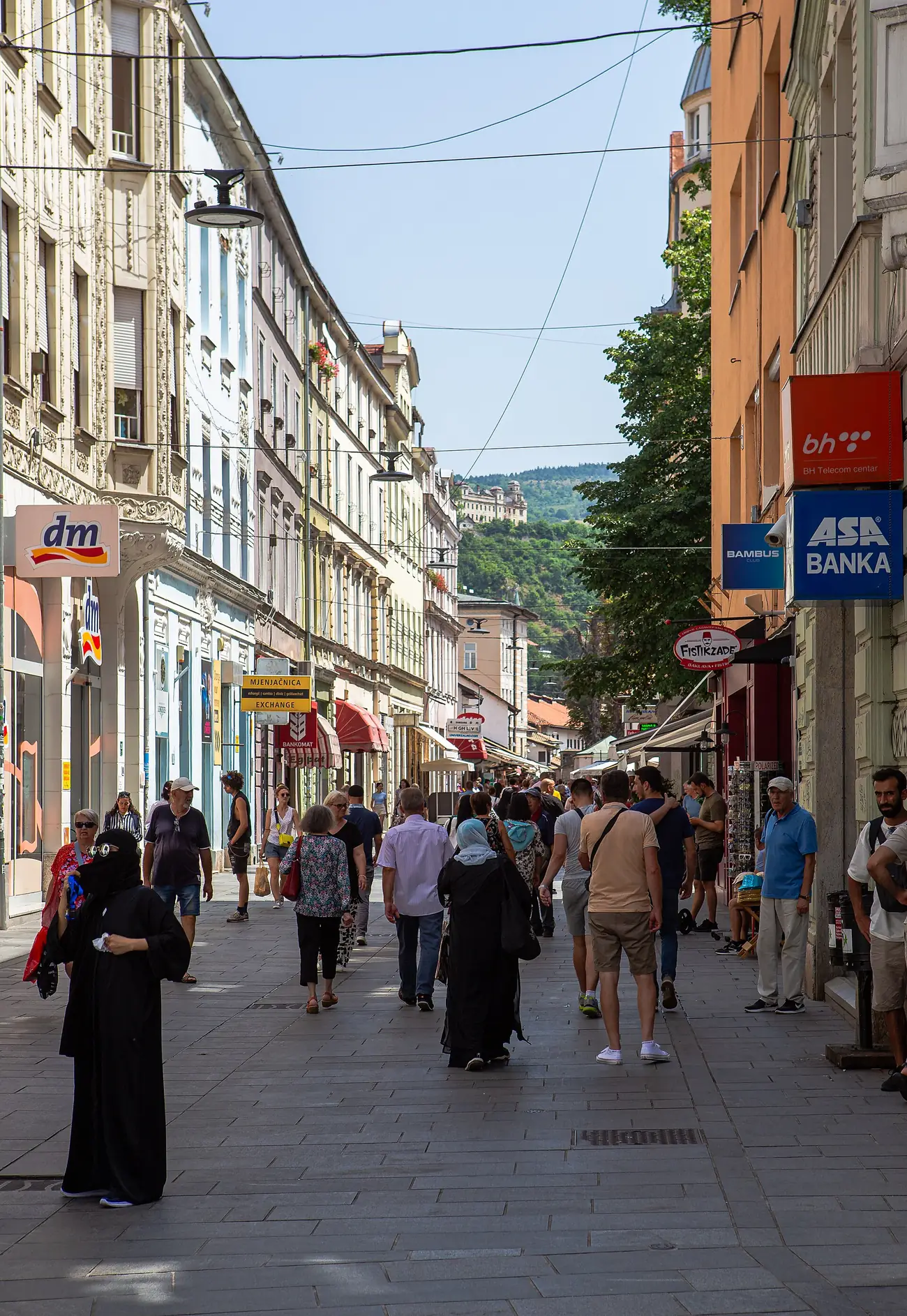
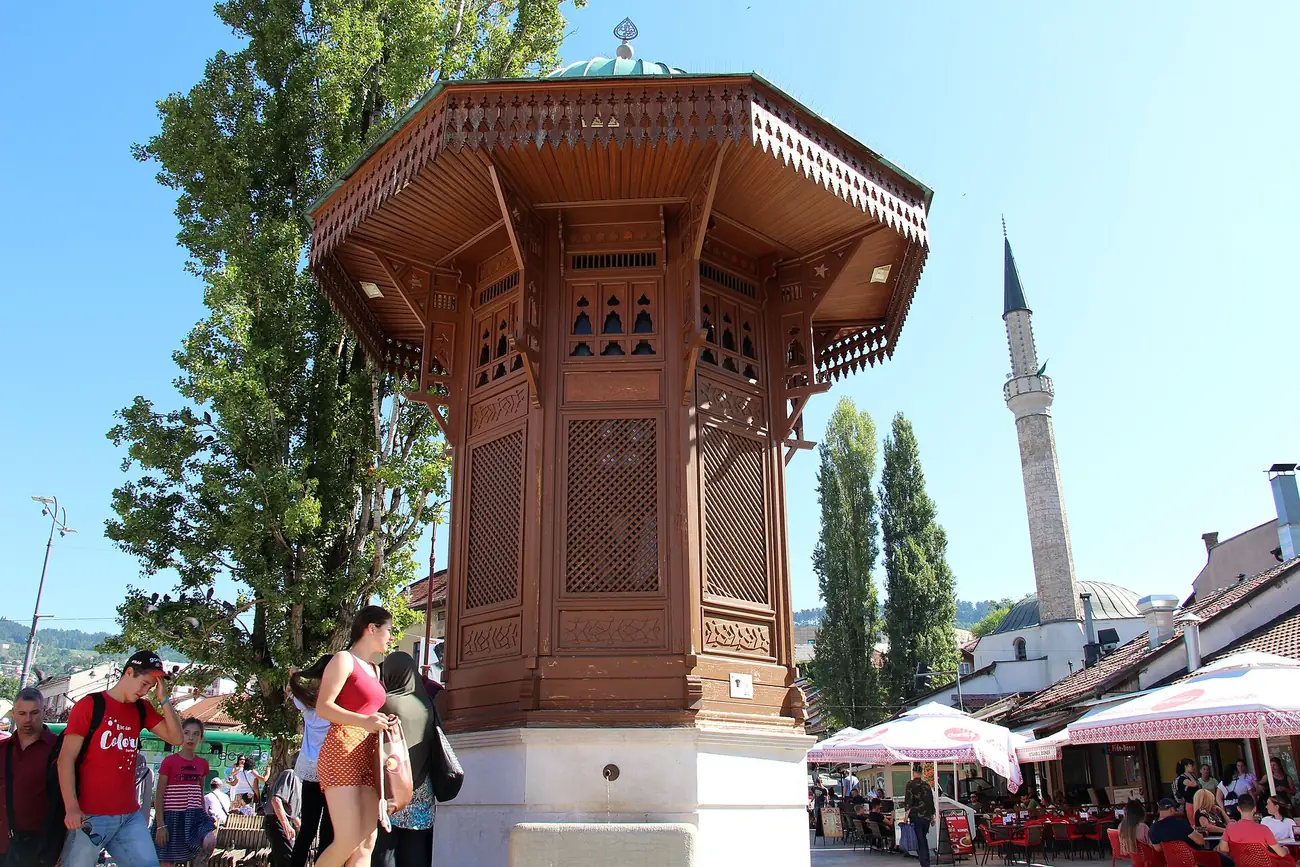
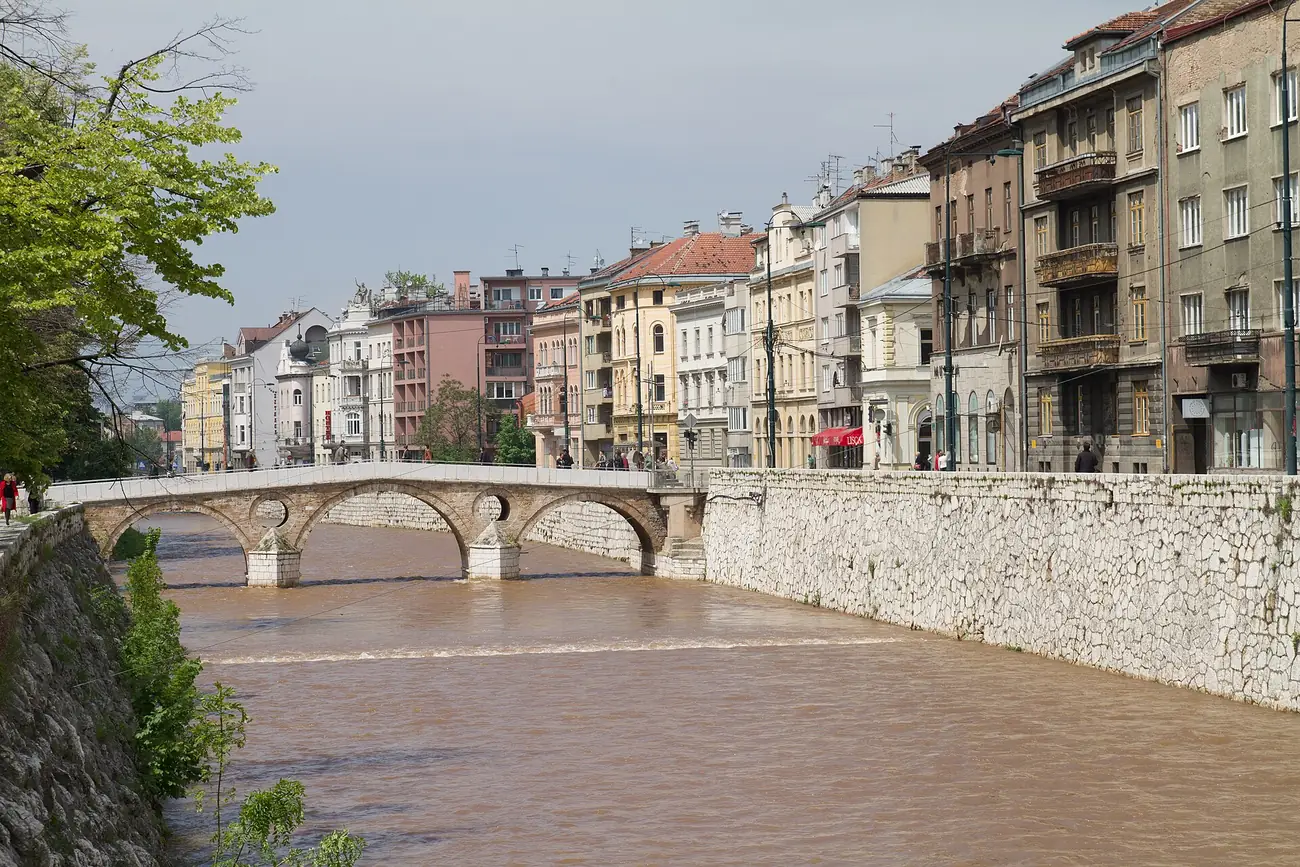
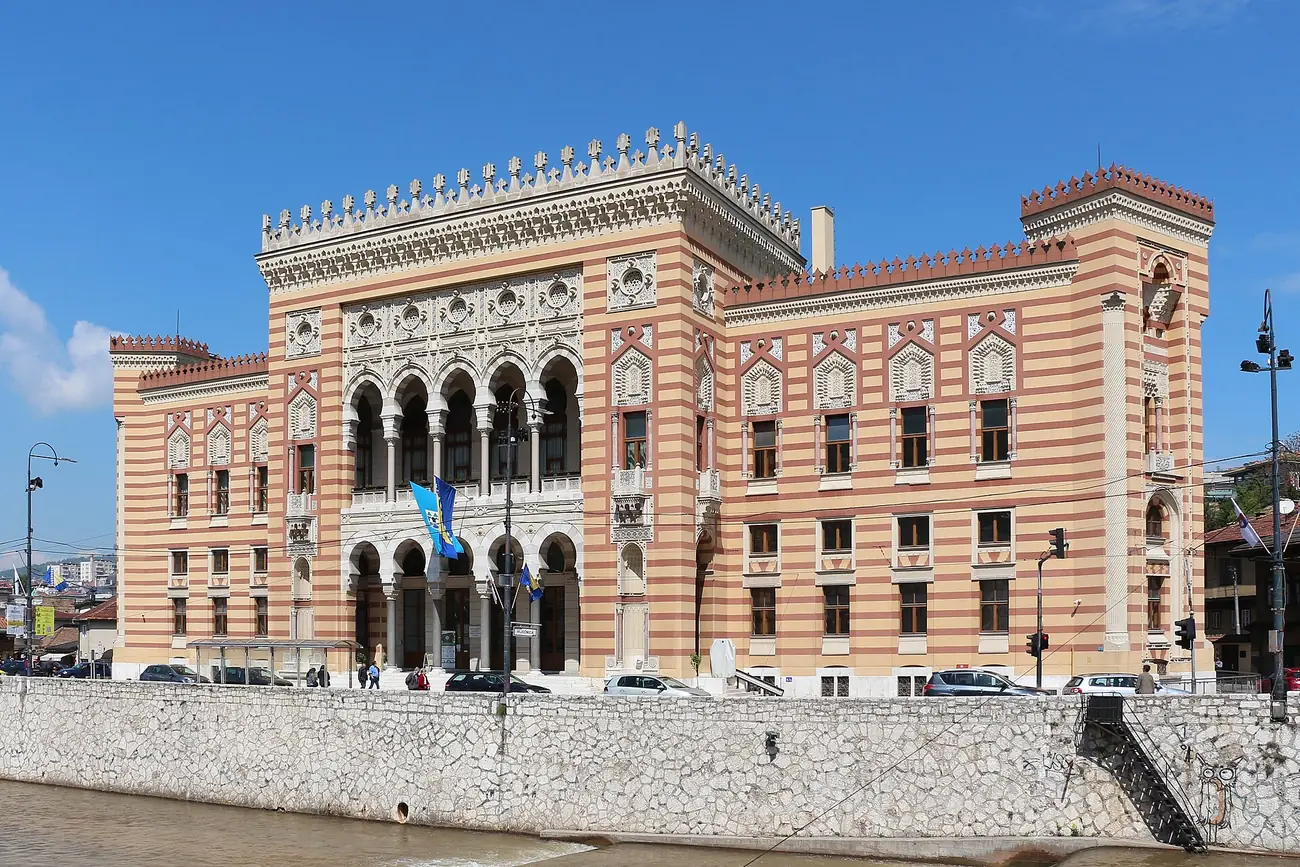
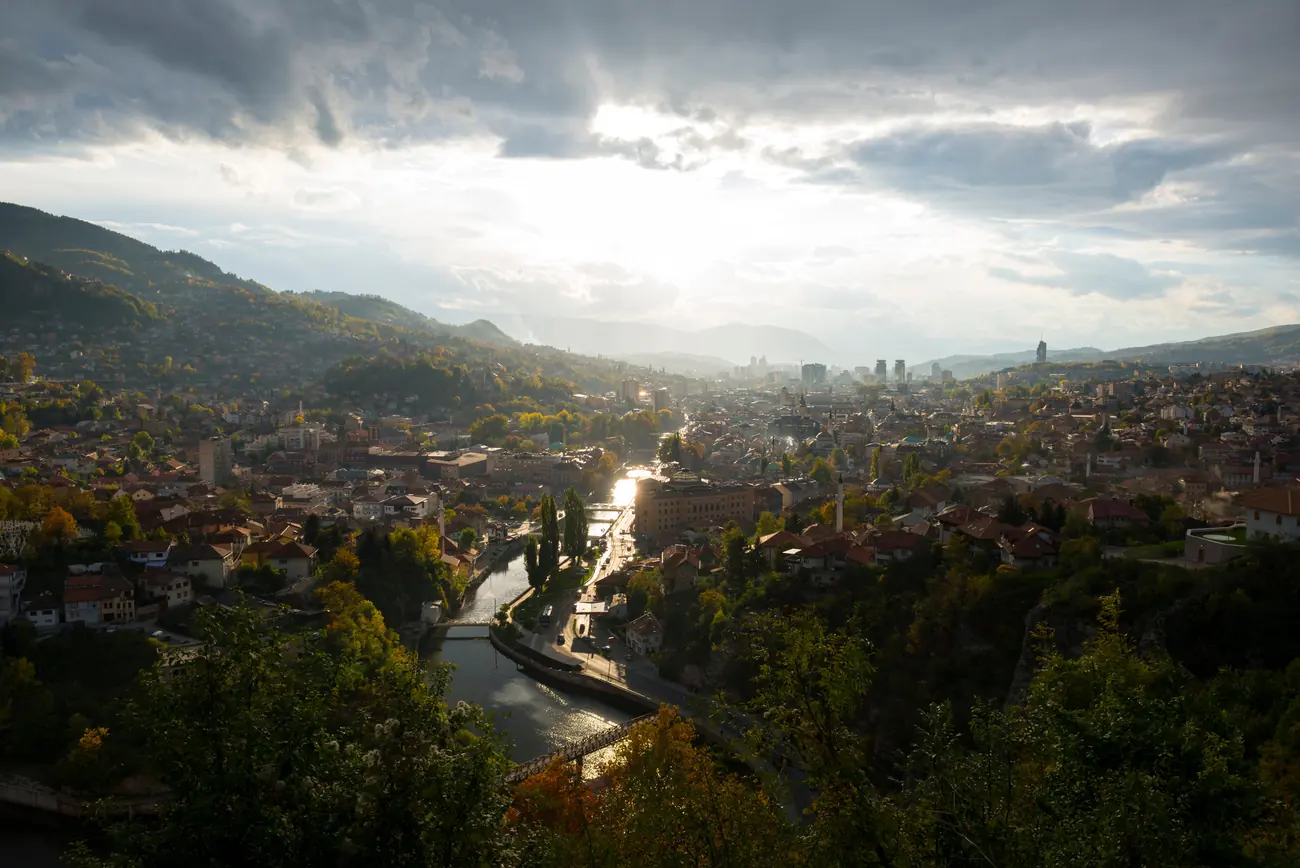
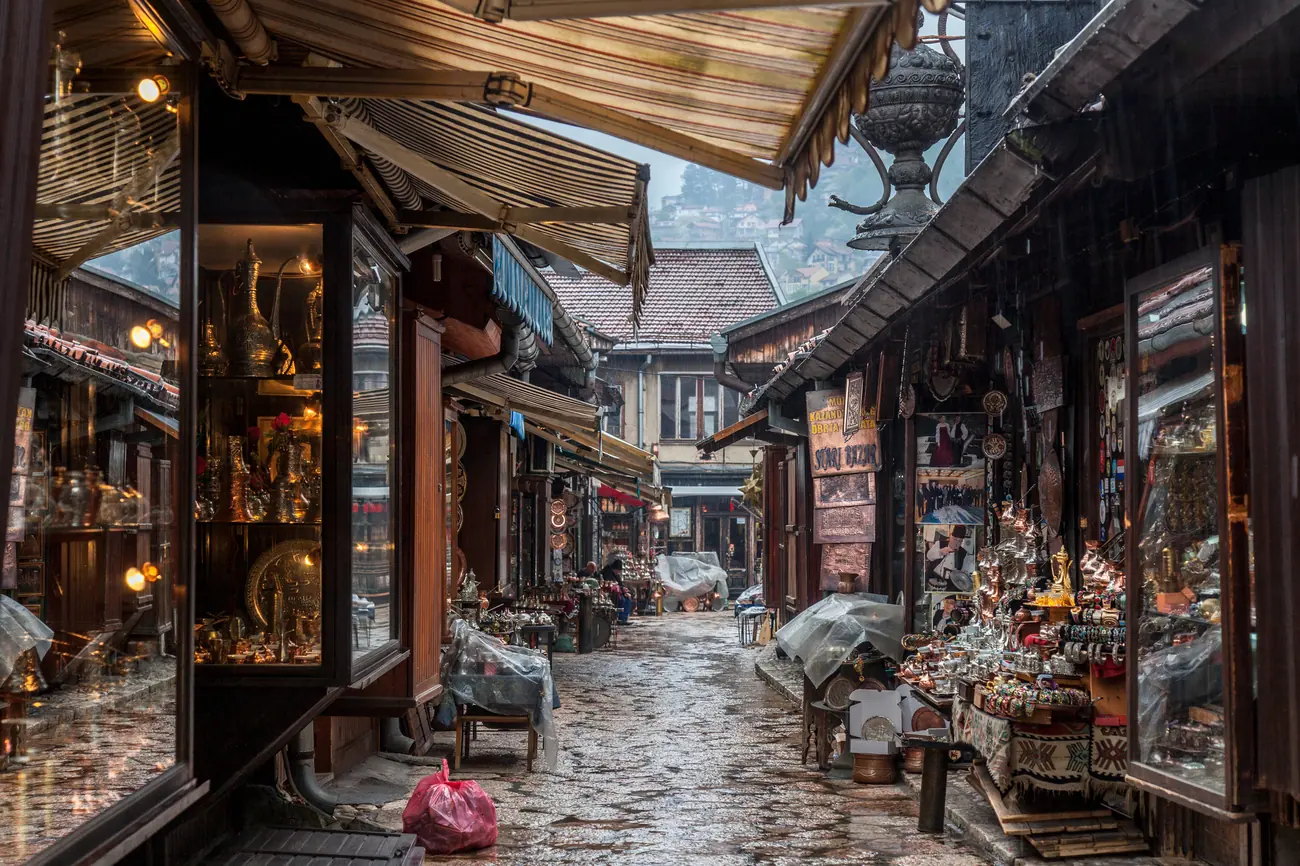
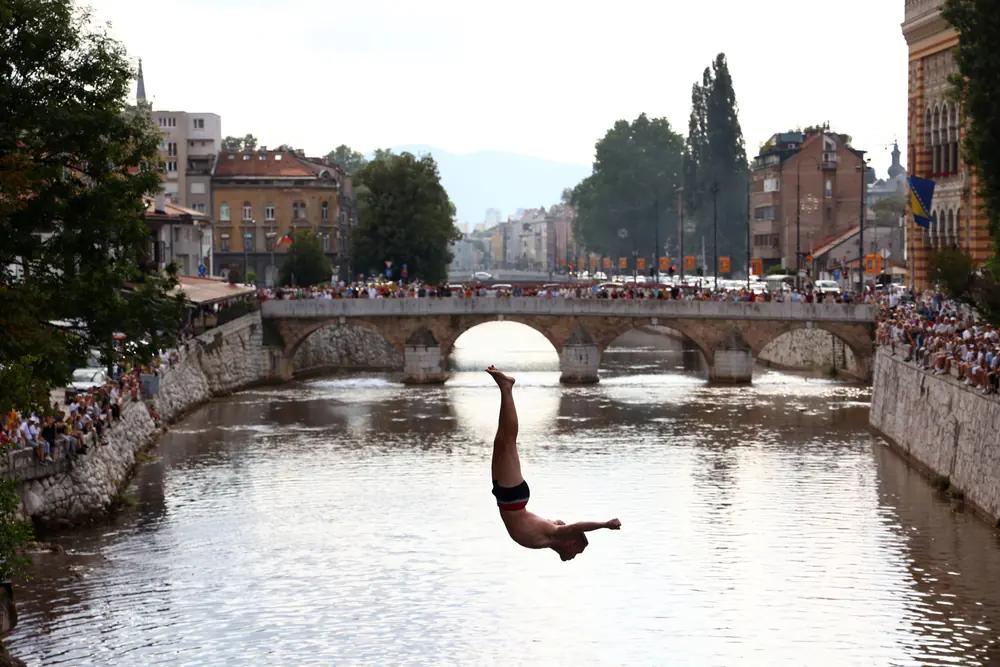
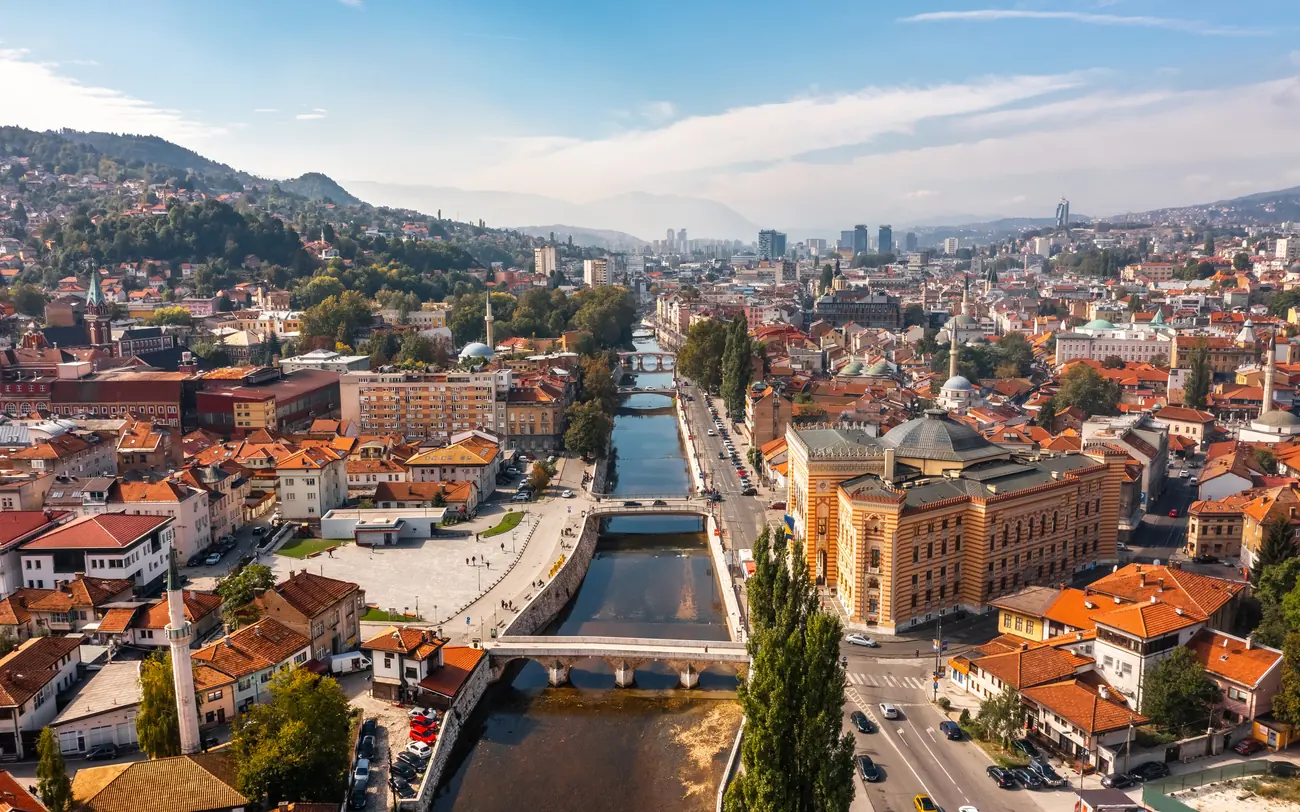
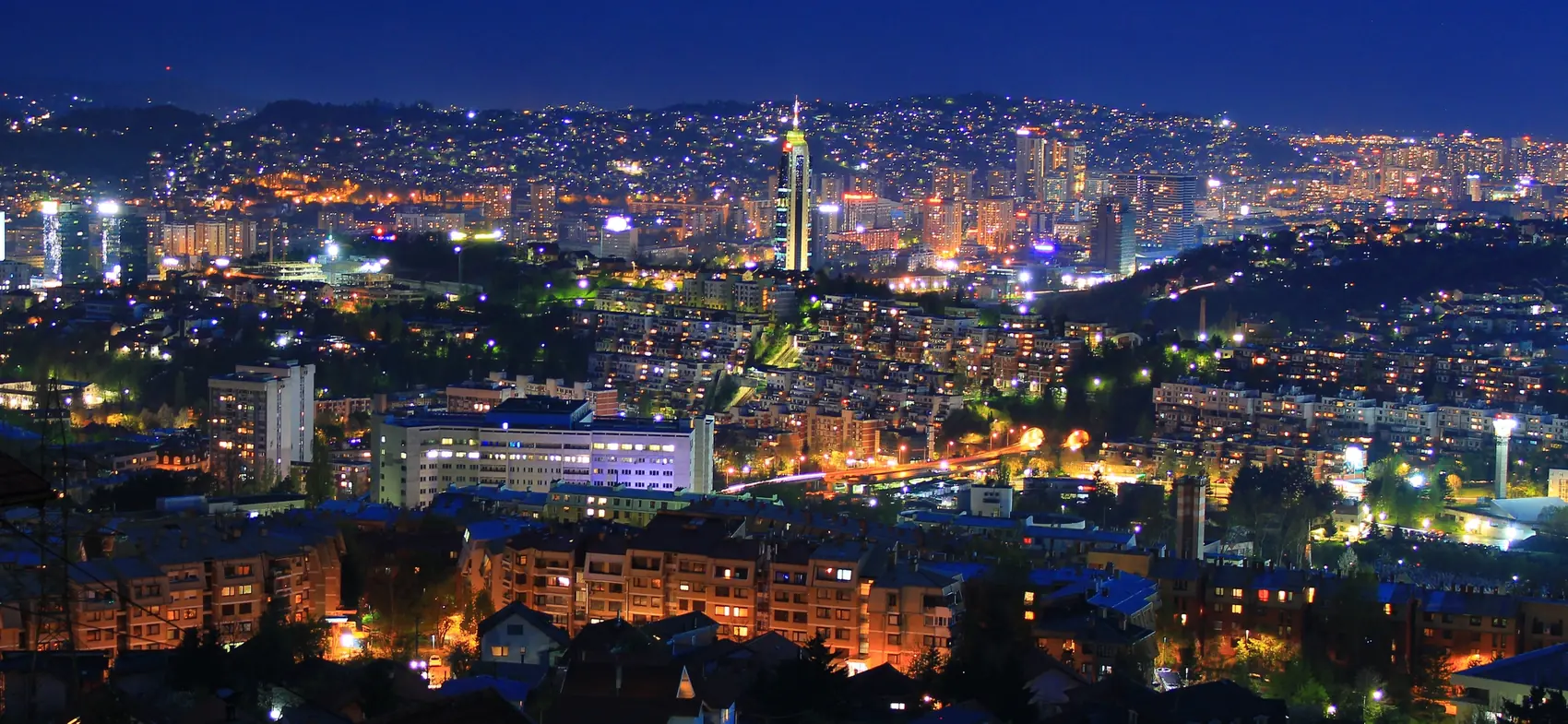
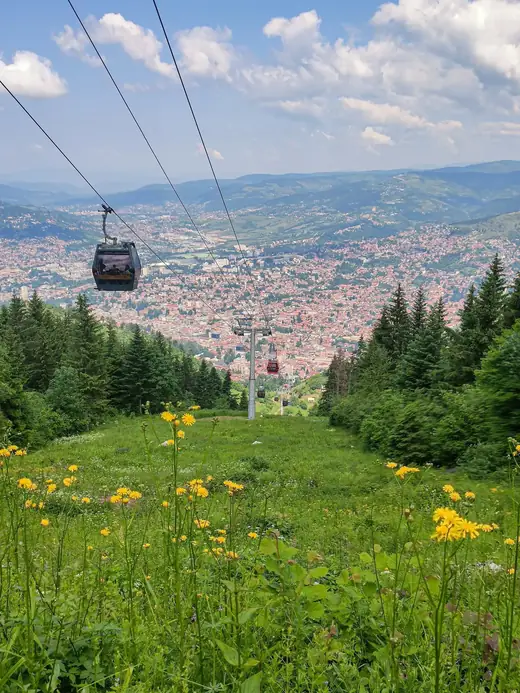
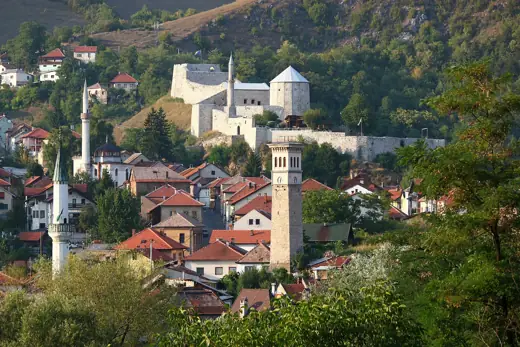
Sarajevo is long and thin, squeezed along the Miljacka between steep green hills. Its history is laid out in order along the valley floor: the Ottoman bazaar at the eastern end, the Austro-Hungarian city next, then the socialist apartment blocks, then the glass towers.
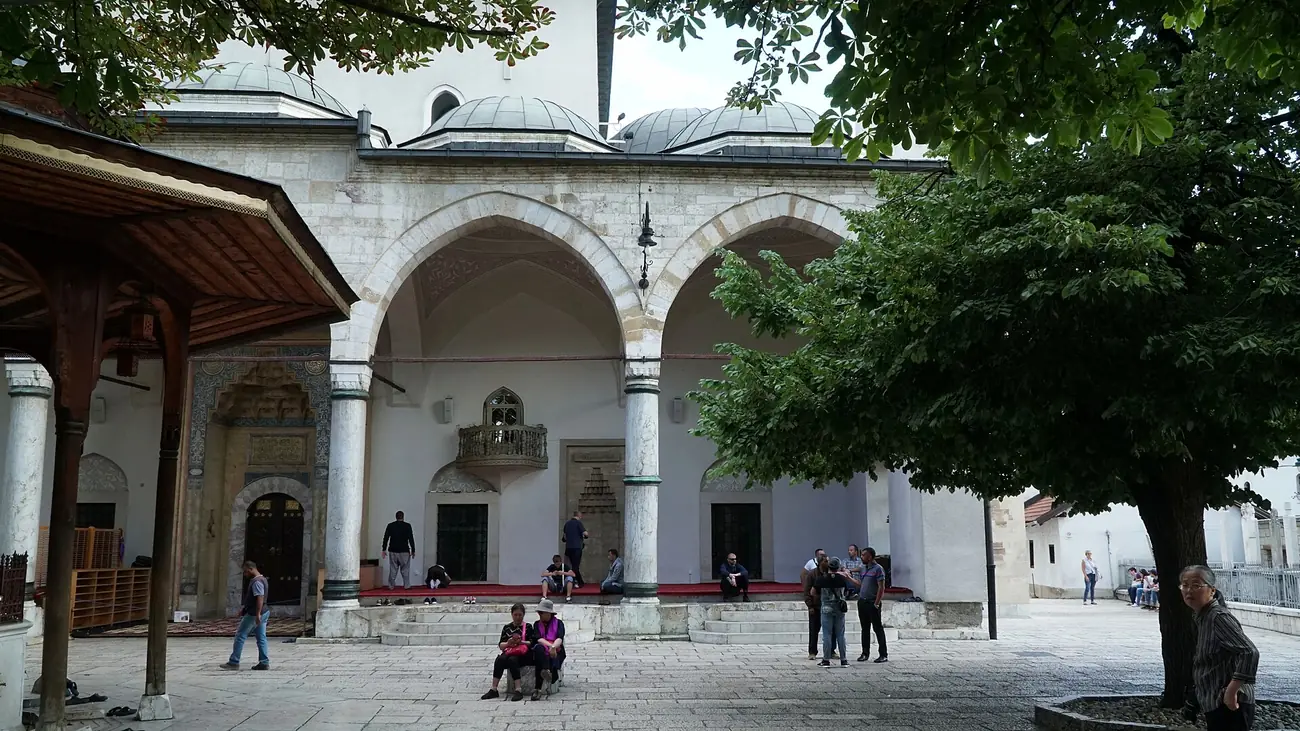
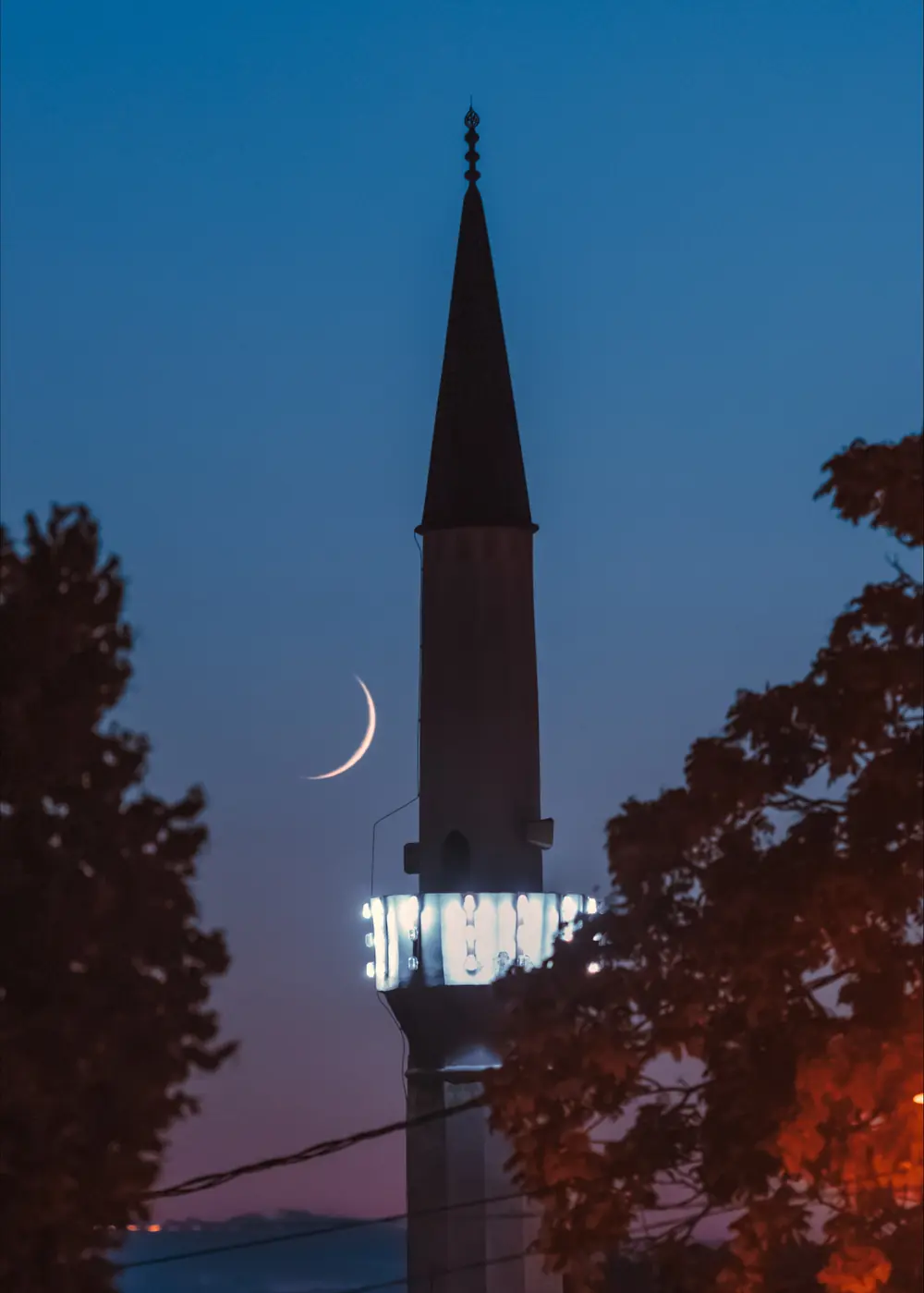
You can walk from the 15th century to the 19th in a single step, and from a mosque to a Catholic cathedral, an Orthodox church and a synagogue in ten minutes. Few capitals in Europe are this easy to understand on foot.
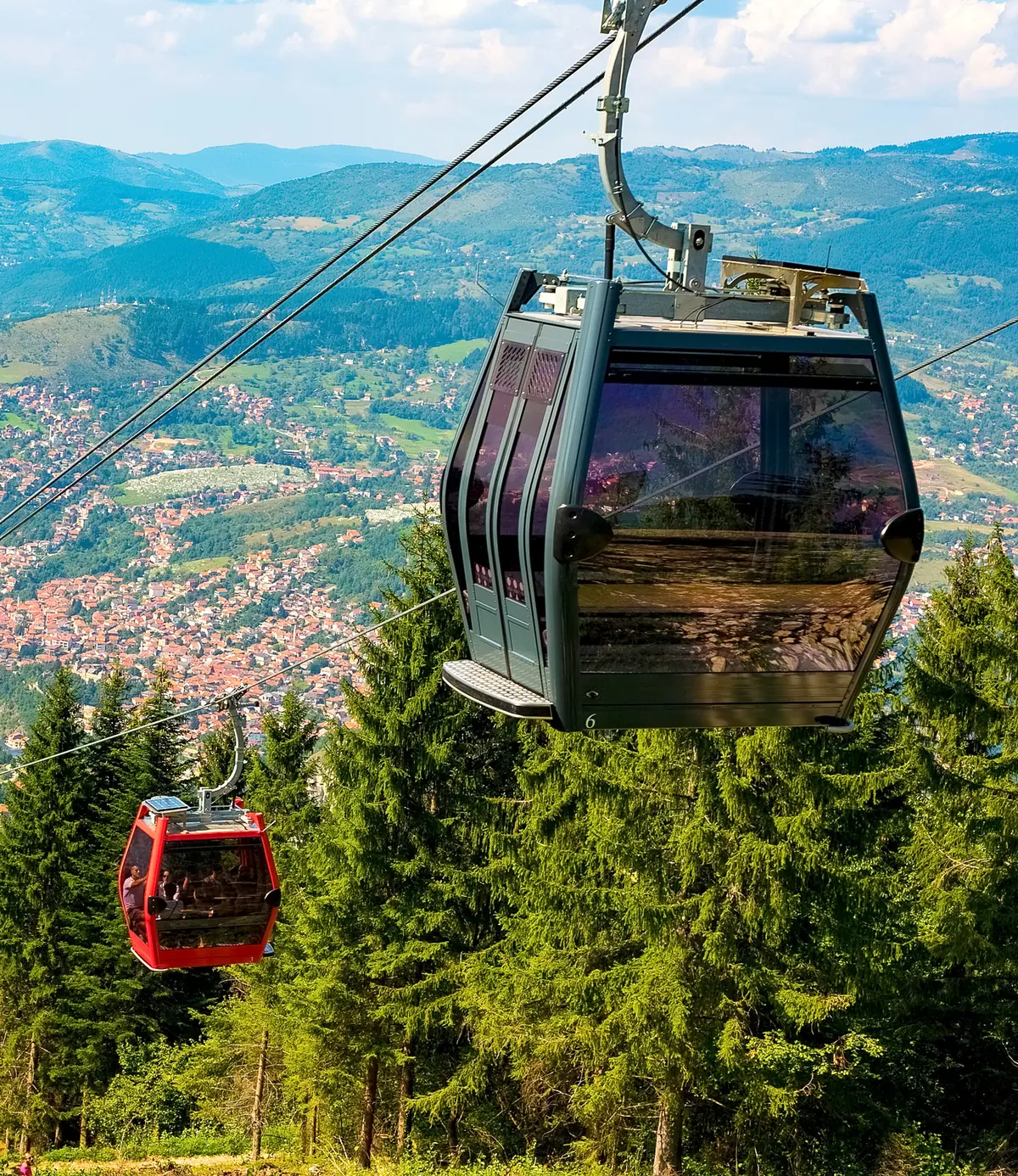
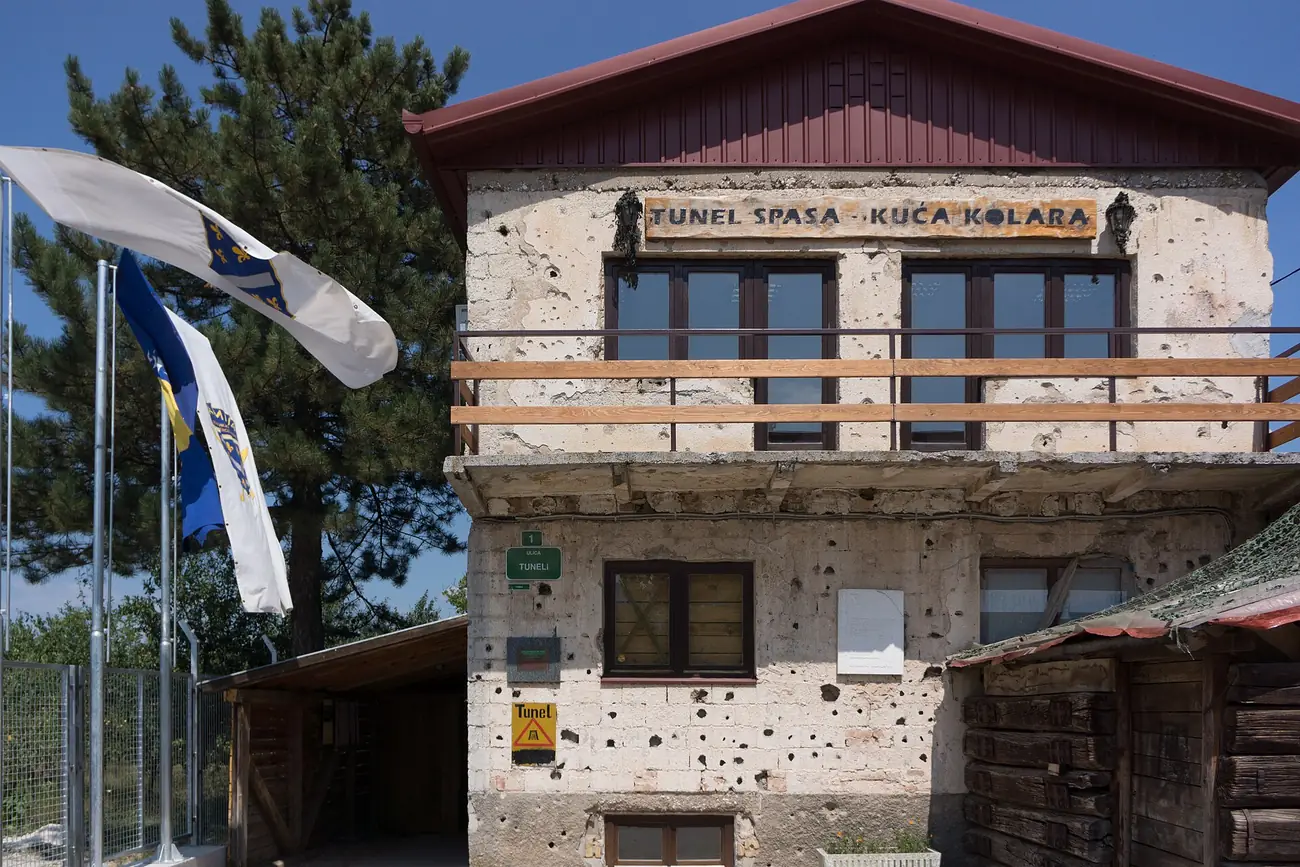
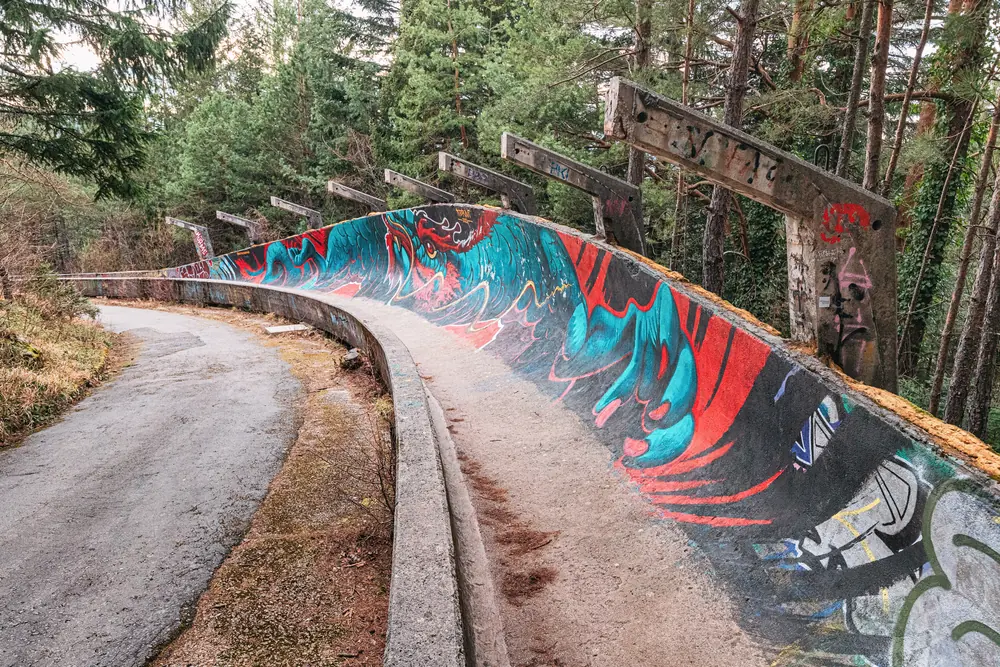
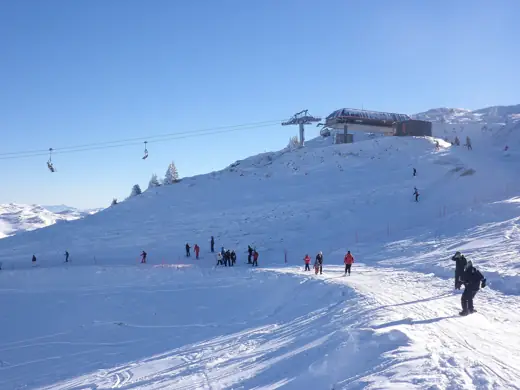
The siege of the 1990s is part of the city too, and the museums that deal with it are among the best reasons to stay longer. But Sarajevo today is a place of coffee, grills and long evenings, with ski slopes half an hour away.